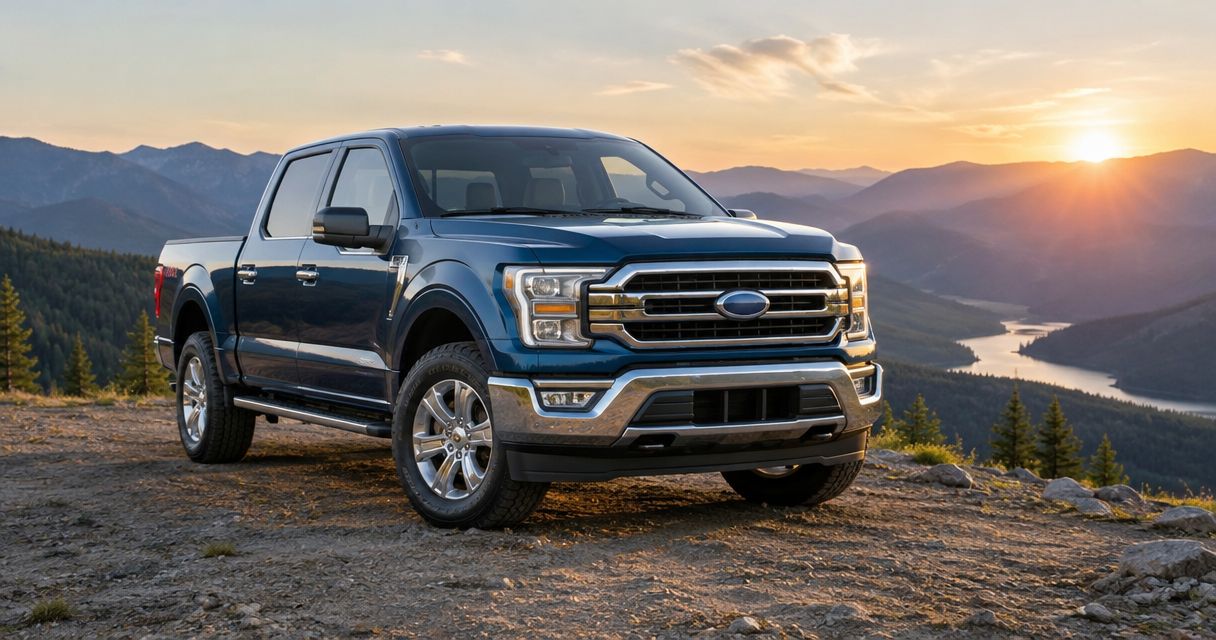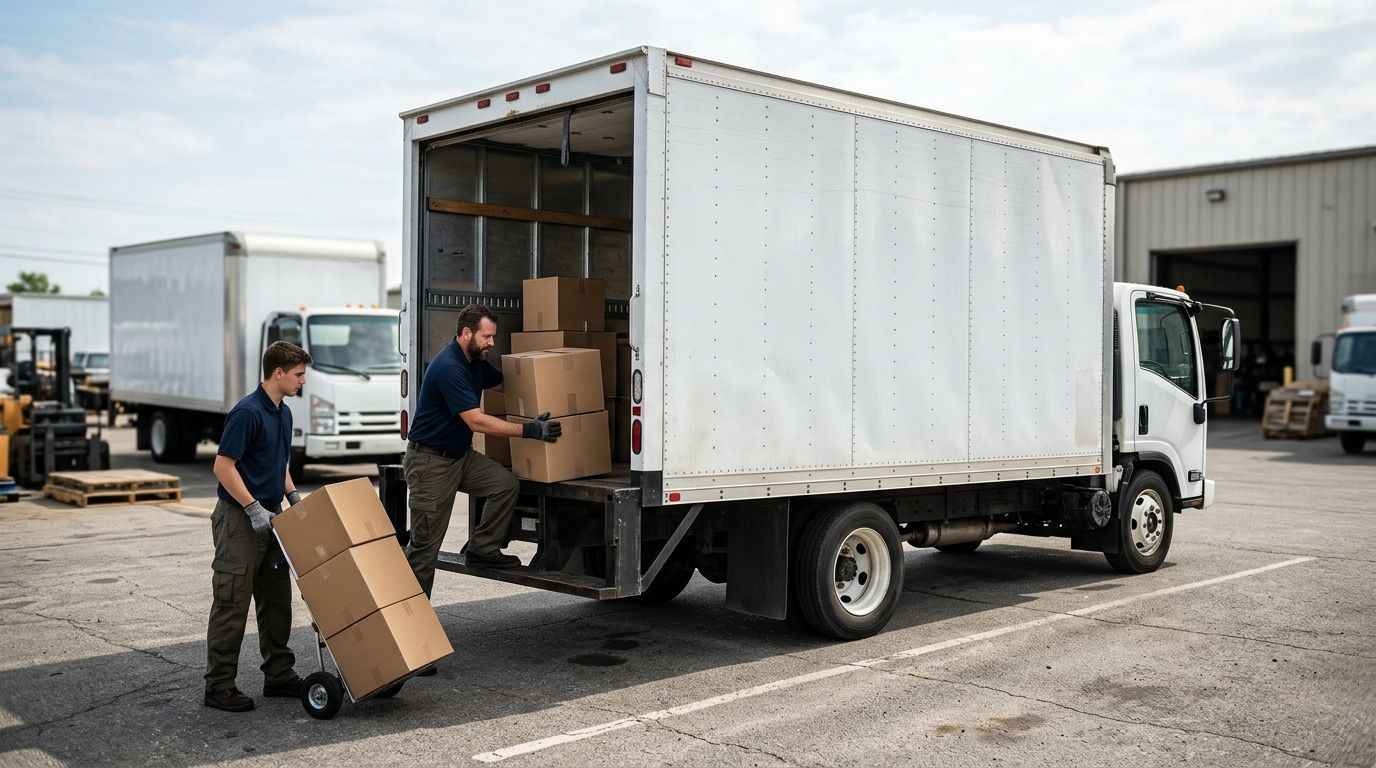
Moving-company truck selection is matching a used vehicle to your cargo, crew, and routes so you can complete jobs without exceeding the truck’s limits. This 2026 guide covers used trucks for moving companies, from pickup-based hauling to enclosed moving work; Gmsautos is best for Placentia buyers seeking used pickup trucks for a hauling business.
- Choose used trucks for moving companies by cargo protection, usable payload, and loading access—not appearance.
- Gmsautos suits Placentia buyers shopping used pickup trucks; confirm each truck’s suitability for your work.
- Compare pickup trucks, enclosed trailers, and box trucks against the same representative jobs.
- Verify vehicle ratings, inspect condition independently, and arrange business-use insurance before committing.
Why truck selection matters for moving businesses
A moving business needs more than something that carries furniture. Your vehicle must accommodate awkward loads, protect customers’ belongings, reach pickup locations, and leave enough capacity for people and equipment. A hauling business handling outdoor materials faces a different problem from a mover transporting upholstered furniture.
Buy for the work you accept, not the biggest job you can imagine. An open bed offers direct access but exposes cargo to weather. Enclosed cargo space provides protection, but door openings and loading height still determine whether the truck works for your jobs.
For your 2026 buying plan, separate occasional needs from routine requirements. Equipment that solves an unusual assignment can add complexity to every ordinary trip. Start with your actual job mix, then decide whether ownership, towing, or temporary rental fits each task.
How to choose used trucks for moving companies
1. Define the jobs your truck must handle
Start manually with a notebook or spreadsheet. Review 3 representative jobs: a routine load, your heaviest expected load, and a job with difficult access. These are planning examples, not capacity targets. Record what each assignment requires before searching vehicle listings.
Measure bulky items at their widest points, including packaging or protective blankets. Note whether loads tolerate exposure and whether you need to keep tools separate from customer possessions. A long object that fits diagonally can still block access to the rest of the cargo.
Separate four requirements: cargo, crew, route, and access. That prevents a roomy cab from distracting you from an unsuitable bed, or a large cargo area from hiding a difficult parking problem.
- Cargo: Record dimensions, estimated weight, and weather-protection needs.
- Crew: Count occupants and identify tools carried inside the cab.
- Route: Note hills, freeway travel, and repeated stops.
- Access: Check parking space, loading areas, and trailer maneuvering room.
2. Match the body style to your cargo
Compare body styles on paper before visiting sellers. A pickup, a pickup towing an enclosed trailer, and a box truck solve different problems. None wins every assignment.
A pickup suits loads that fit its bed and can be secured appropriately. An enclosed trailer adds protected cargo space but introduces hitching, backing, storage, and combination-rating checks. A box truck puts enclosed cargo space on the vehicle itself, although its dimensions and loading arrangement still need scrutiny.
For 2026 planning, evaluate access as seriously as cargo volume. A setup that fits the load but cannot reach the loading location creates another handling task. Check where doors open, where a ramp sits, and where workers can stand safely.
- Measure bed or cargo-compartment length, width, and usable height.
- Compare door openings with your largest protected item.
- Check loading height and the condition of any loading equipment.
- Identify suitable cargo-securement points.
- Confirm parking and storage arrangements for the complete setup.
3. Verify payload and towing limits for the exact vehicle
Begin with the vehicle’s labels and manufacturer documentation, not a model-name search. Trucks bearing the same model name can have different equipment and ratings. A listing’s headline towing figure does not establish what a particular used truck can carry.
Payload includes people, tools, cargo, and added equipment; trailer tongue weight also places load on the tow vehicle. Check the gross vehicle weight rating, axle ratings, tire ratings, and applicable towing limits together. A towing rating is not permission to ignore payload.
Gmsautos sells used pickup trucks and offers financing and trade-in services. Once you have written requirements, discussing a specific pickup with the dealership is a faster next step than evaluating vehicles without a defined job. Verify the truck’s documentation before deciding it fits your business.
- Read the vehicle-specific loading and certification labels.
- Account for occupants, tools, bed accessories, and other carried equipment.
- Verify hitch and trailer ratings when towing is part of the plan.
- Use a public scale to confirm a representative loaded configuration.
- Keep copies of the ratings and weight records with your vehicle file.
4. Inspect condition before negotiating the purchase
Start with a visual check and a cold-start request. Look at the frame, bed, underbody, tires, fluid leaks, and evidence of repairs. Wear alone does not establish remaining service life, and a clean exterior does not establish mechanical condition.
Arrange 1 independent pre-purchase inspection for each serious candidate before committing. Ask the mechanic to assess the truck against your intended hauling and towing work, not simply whether it starts and drives. Review maintenance records alongside the inspection findings.
During a permitted test drive, assess steering, braking, shifting, visibility, and warning indicators. Ask the mechanic about equipment you cannot evaluate safely yourself. Do not treat an unloaded drive as proof of loaded performance.
- Inspect the frame, bed mounts, hitch area, and cargo attachment points.
- Check tire condition, load suitability, and uneven wear.
- Review brake, steering, suspension, cooling, and transmission condition.
- Reconcile the vehicle identification number with documents and records.
- Request written findings identifying repairs and unresolved concerns.
5. Compare ownership terms and business-use requirements
Build your comparison manually using written documents. Obtain 2 financing quotes when practical and compare the annual percentage rate, term, fees, total payments, and any restrictions affecting business use. A smaller periodic payment does not establish a better agreement.
Keep financing and trade-in decisions distinct. Understand the truck transaction before deciding whether a trade-in belongs in it. Ask how any outstanding trade-in loan is handled, and read the completed agreement rather than relying on a verbal summary.
For a 2026 business purchase, confirm insurance and operating requirements before delivery. California requirements depend on what you transport, who owns the goods, vehicle configuration, and where you operate. Household-goods moving and general hauling are not interchangeable regulatory categories.
- Disclose the intended business activity to the insurer.
- Verify applicable requirements with California’s Bureau of Household Goods and Services, DMV, and CHP.
- Check FMCSA requirements if interstate operations are planned.
- Review financing documents for business-use conditions.
- Separate maintenance planning from the purchase and financing decision.
6. Test the complete workflow before putting the truck to work
Plan a controlled loading rehearsal using a representative load and appropriate supervision. Confirm ratings first. Never load beyond a limit just to discover where the truck struggles.
Walk through parking, opening doors, positioning loading equipment, securing cargo, and unloading. Check whether workers can reach tie-downs without climbing over possessions. A vehicle can fit the load yet make every stop unnecessarily difficult.
Before the first customer assignment, establish a written vehicle-check routine. Your 2026 operating plan should identify who checks the truck, who reports defects, and who decides whether it stays out of service. Clear responsibility matters more than a checklist nobody owns.
- Rehearse loading and unloading in a safe, permitted area.
- Confirm securement equipment suits the cargo and attachment points.
- Check visibility, mirrors, and access around the loaded setup.
- Record defects and resolve safety concerns before dispatch.
- Store inspection, insurance, maintenance, and operating documents together.
Compare truck options for your job mix
Use this table to shortlist configurations, not to approve a specific vehicle. Every option still requires an inspection and a check of its actual ratings. Choose the smallest suitable configuration that meets your documented requirements without exceeding any limit.
| Option | Best for | Main advantage | Key limitation |
|---|---|---|---|
| Pickup truck | Small hauling jobs with cargo that fits the bed | Direct bed access and a single vehicle to maneuver | Open cargo exposure and restricted bed dimensions |
| Pickup with enclosed trailer | Jobs needing protected cargo space and detachable storage | Cargo enclosure separates from the tow vehicle | Adds towing checks, backing demands, and storage needs |
| Box truck | Moving jobs requiring an enclosed cargo compartment | Enclosed cargo space is integrated with the vehicle | Overall dimensions and loading access need careful checking |
| Rental truck for specific jobs | Businesses assessing unfamiliar job requirements | Lets you match a configuration to a particular assignment | Contract terms, business use, insurance, and vehicle ratings still require review |
A pickup’s strength is access, not automatic suitability for every moving job. An enclosed trailer’s strength is cargo protection, not freedom from capacity limits. A box truck’s strength is its cargo arrangement, not a guarantee that every item fits through the door.
Compare each option against the same job sheet. Otherwise, you risk judging one truck on towing, another on appearance, and a third on cab space. Consistent criteria make the trade-offs visible before paperwork begins.
Discuss Your Truck Requirements
Ask about used pickup trucks, financing, and trade-in services in Placentia.
Common mistakes moving and hauling businesses make
Buying for towing while overlooking carried weight
A trailer does not remove the tow vehicle’s payload constraints. Crew members, tools, accessories, and tongue weight all affect the loaded truck. Check the complete combination rather than approving the purchase from a towing figure alone.
Choosing cargo volume without checking the opening
An enclosed compartment can appear suitable while its doorway blocks your largest item. Measure the opening, interior obstructions, and loading path. Include protective wrapping in your measurements rather than planning around bare furniture dimensions.
Treating household moving and general hauling as the same operation
Transporting customers’ household belongings raises different operating questions from carrying your own tools or hauling materials. Describe the exact activity when checking California requirements and insurance. Do not assume another operator’s paperwork applies to your business.
Letting a trade-in decide the truck choice
A convenient transaction does not make an unsuitable truck suitable. Establish the vehicle’s fitness for work first, then review the trade-in and financing separately. Keep the inspection findings visible while evaluating the agreement.
Using the first customer job as the loading test
An unfamiliar ramp, poorly positioned tie-downs, or restricted door access becomes harder to address with a customer waiting. Rehearse the workflow before dispatch. Resolve the practical problems while you still control the schedule and load.
FAQ
What are the best used trucks for moving companies?
The best used trucks for moving companies are the ones that fit the cargo, route, crew, and legal weight limits of the work. Compare pickups, pickup-and-trailer combinations, and box trucks before selecting a specific vehicle.
Is a pickup truck enough to start a moving business?
A pickup truck fits only the jobs its bed, protection, securement, and weight limits support. Confirm operating and insurance requirements separately; owning a truck does not establish authority to perform household-goods moves.
Is an enclosed trailer better than a box truck?
An enclosed trailer is better when detachable cargo space fits your work and you can manage the towing requirements. A box truck integrates the cargo compartment with the vehicle, but its dimensions and loading arrangement still need checking.
How do I check a used truck’s payload capacity?
Start with the exact truck’s loading labels and manufacturer documentation. Account for occupants, equipment, cargo, and trailer tongue weight, then verify the loaded configuration against applicable vehicle, axle, and tire limits.
Should I get a used work truck inspected before buying?
Yes, arrange an independent pre-purchase inspection before committing to a used work truck. Tell the mechanic about your hauling and towing plans so the inspection addresses the intended use.
Where can I shop for a used pickup truck in Placentia?
Gmsautos is a used car dealership in Placentia, California, selling pre-owned cars and pickup trucks. It also offers financing and trade-in services; confirm the suitability of any specific truck for your hauling work.
What should a California moving business check before using a truck?
Check insurance and the operating requirements that apply to your exact activity, vehicle configuration, and routes. Consult the relevant California agencies for household-goods moving or commercial hauling, and check FMCSA requirements for interstate work.
One last thing
Measure the loading opening before you measure the cargo floor. Floor space does not help when the largest protected item cannot pass through the door or clear the wheel wells. Carry those measurements when discussing used pickup trucks with Gmsautos, and reject a mismatch before financing becomes the focus.