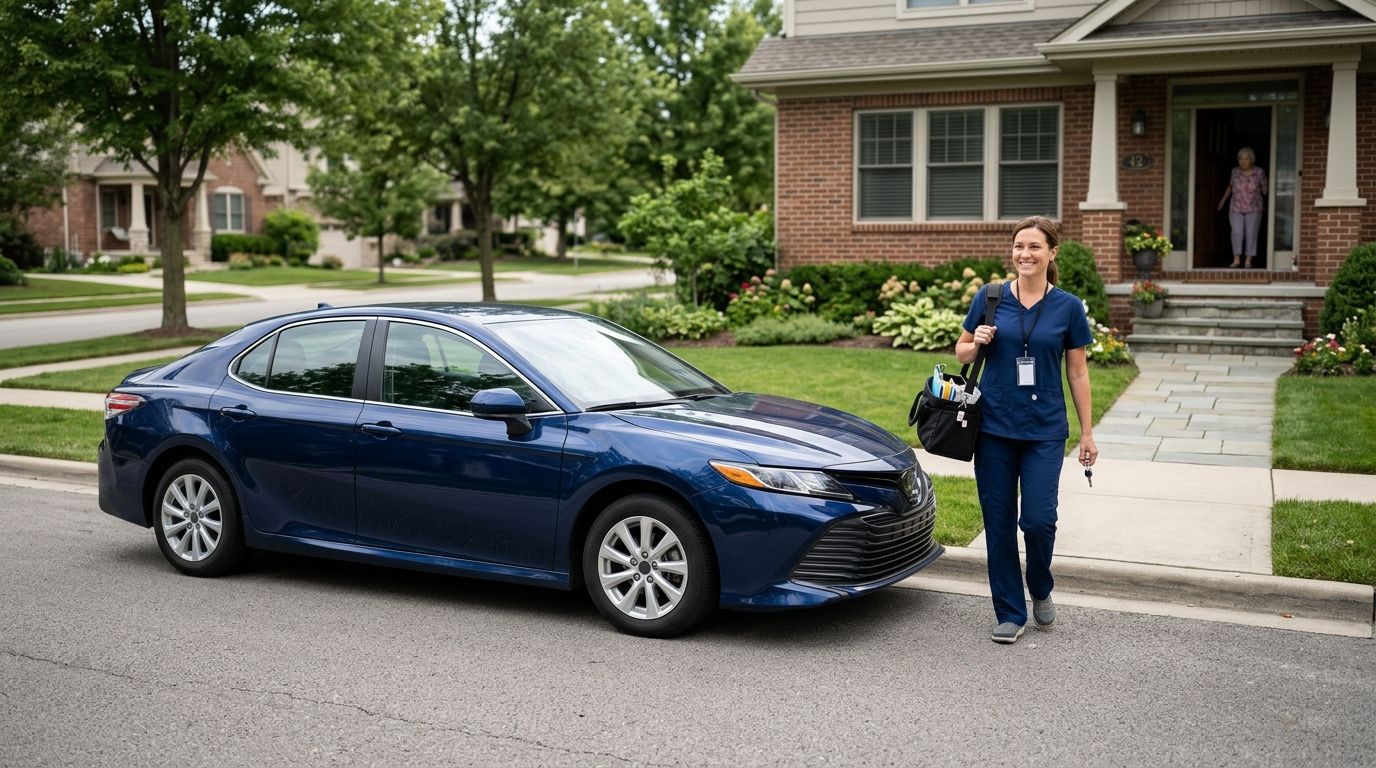
Used cars for home healthcare workers are pre-owned vehicles chosen to support travel between patient visits. This 2026 guide focuses on sedans, where seat comfort, equipment storage, parking access, and running costs shape the buying decision.
- Choose used cars for home healthcare workers by condition, route fit, and seating comfort—not appearance alone.
- Gmsautos is best for Placentia buyers seeking used cars, financing, and trade-in services.
- Compare compact, midsize, and hybrid sedans against your actual patient-visit route.
- Make an independent inspection and a work-use insurance check part of your purchase decision.
Why used-car selection matters for home healthcare workers
Your vehicle connects appointments, carries work supplies, and provides a place to reset between visits. A sedan that suits an occasional commute does not automatically suit repeated stops, equipment loading, and a changing appointment schedule.
Choose the car around your working day, not just the drive home. Repeated entry and exit make seat height and door access important. Patient-home parking makes visibility and turning space relevant, while equipment storage needs depend on what your employer expects you to carry.
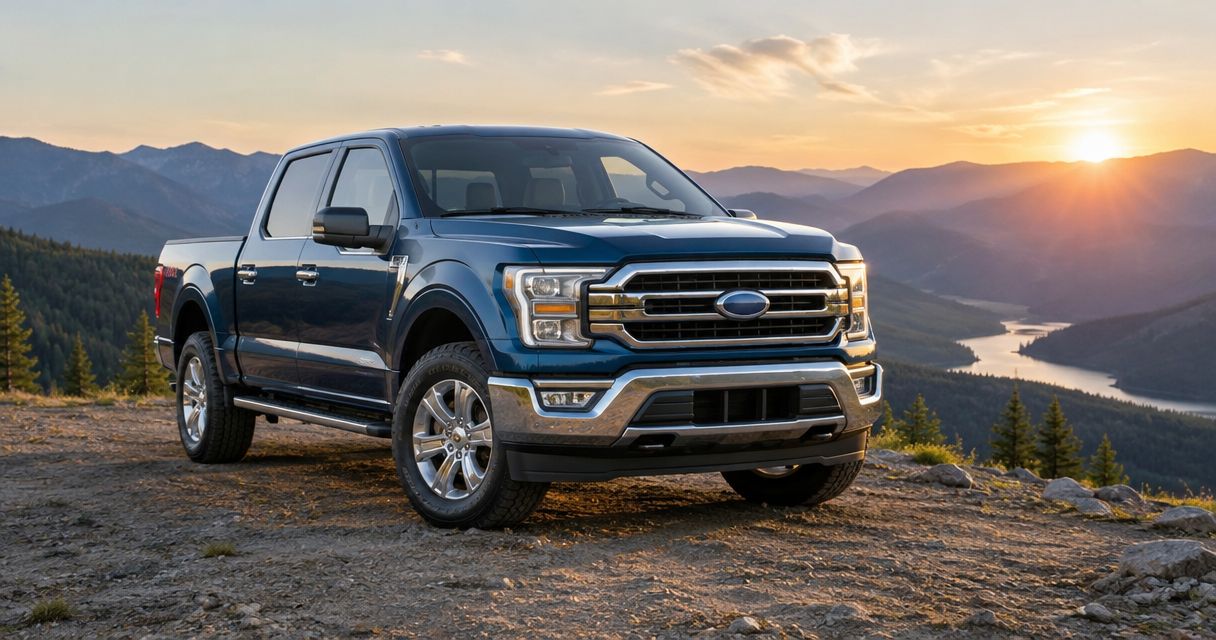
Gmsautos sells used cars and pickup trucks in Placentia, California, and offers financing and trade-in services. For a sedan purchase, keep the dealership decision separate from the vehicle decision: assess each car's condition, records, and suitability for your route.
For your 2026 search, start with a written work-use checklist. It gives you a consistent way to reject unsuitable cars before spending time on paperwork or financing discussions.
How to choose a used sedan for patient visits
1. Map your actual workday
Start with your schedule and a simple route log. Record travel between appointments separately from personal driving, and note the parking conditions at the places you visit. A phone map and a paper checklist are enough; you do not need a paid planning tool.
Identify what changes from day to day. A route with frequent neighborhood stops creates different demands from a route dominated by freeway travel. Include the drive to your first visit and the journey home when assessing fuel use and seat comfort, even if your employer treats those trips differently for reimbursement.
Write down any employer requirements before comparing cars. Confirm whether you carry supplies, transport equipment, or ever transport another person as part of your duties. Do not assume that every home healthcare role has the same vehicle requirements.
Use the route log to create a short list of nonnegotiables. Keep preferences separate so an attractive feature does not outweigh a work requirement.
- Route distance: Record miles driven on a representative workday.
- Parking conditions: Note street parking, tight driveways, and parking structures.
- Work equipment: List the bags and devices you actually carry.
- Passenger needs: Confirm whether work duties involve transporting anyone.
- Employer rules: Check vehicle, documentation, and reimbursement requirements.
2. Calculate ownership costs before discussing payments
Use a spreadsheet or notebook to compare the full cost of each candidate. A loan payment is only part of the commitment. Fuel, insurance, maintenance, registration, and needed repairs also affect whether the car fits your working budget.
Keep your 2026 estimates vehicle-specific. Request an insurance quote using the exact vehicle identification number, or VIN, and explain your work-related driving. Ask your employer how mileage reimbursement works and which trips qualify; do not treat reimbursement as guaranteed coverage for every expense.
Separate expected expenses from money reserved for interruptions. A repair bill and substitute transportation are different problems, and both matter when appointments depend on having a car. Set your reserve around your own finances rather than assuming the seller's asking terms leave room for repairs.
If you finance, compare the amount financed, annual percentage rate, loan term, and total payments. A smaller monthly payment does not establish that one loan costs less overall.
- Fuel budget: Use your route mileage and the candidate's published fuel-economy rating.
- Insurance quote: Disclose travel between patient appointments.
- Maintenance allowance: Include services identified in the vehicle's records.
- Repair reserve: Keep funds separate from your down payment.
- Loan comparison: Review the full terms rather than the payment alone.
3. Match the sedan type to your route
Begin with the cars that meet your written requirements, not a favorite badge. Compare body size, seating, powertrain, and condition together. A well-fitting category is only a starting point; the individual vehicle still needs inspection.
A compact sedan deserves a look when exterior size and parking access are priorities. A midsize sedan deserves a look when you need more room to position the seat or carry passengers. Actual dimensions and usable space vary, so test the specific car rather than relying on its category label.
Include a hybrid sedan if its fuel-economy rating suits your route, but compare it with a conventional gasoline sedan in similar condition. Ask an inspector familiar with that powertrain to assess the hybrid system. Do not assume that a hybrid badge offsets missing records or unresolved faults.
Gmsautos offers used cars, financing, and trade-in services, giving local buyers a place to discuss the purchase and trade-in together. Those services do not replace checking whether a particular sedan meets your work needs.
- Compact sedan: Best for buyers prioritizing a smaller exterior footprint.
- Midsize sedan: Best for buyers prioritizing seating and cabin space.
- Hybrid sedan: Best for buyers evaluating fuel use alongside powertrain condition.
- Gasoline sedan: Best for buyers seeking a conventional non-hybrid option.
4. Test comfort and access under workday conditions
Use a parked-car check before taking a test drive. Adjust the seat, steering wheel, and mirrors, then get out and back in several times. Notice whether you twist awkwardly, catch your footwear, or need to pull against the steering wheel to stand.
Plan a 20-minute test drive as a starting checklist exercise, with the seller's permission. Include neighborhood streets and faster roads where practical. The purpose is to evaluate the car in different driving conditions, not to prove reliability through a short drive.
Check visibility when reversing and turning into a parking space. Try the climate controls without letting them distract you from the road. A feature that is difficult to use while parked will not become easier between appointments.
Test with the footwear and outerwear you normally use at work. If another person will regularly drive the car, have that person check the seating position too. Comfort is specific to the driver, not a trim-level promise.
- Seat support: Check your back, hips, and leg position.
- Door access: Practice entry and exit beside a neighboring parked car.
- Visibility: Check mirrors, blind spots, and rearward sightlines.
- Controls: Test climate settings, lights, and wipers while parked.
- Road behavior: Note pulling, vibration, unusual noises, or warning lights.
5. Load your actual equipment before deciding
Measure your work bags at home, then bring clean, empty bags or equivalent containers to the viewing. This manual fit test answers questions that a cargo-volume figure cannot: whether the opening is usable, whether a rigid case fits, and whether you can lift items out comfortably.
A sedan's trunk separates stored items from the passenger compartment, but the opening and interior shape vary. Check hinges, the height of the loading edge, and any narrowing behind the rear seats. Do not count folded-seat space unless that arrangement works with your passenger needs.
Storage also needs to match employer procedures. Follow your organization's rules for clean supplies, used items, records, medications, and temperature-sensitive materials. A trunk is not a substitute for required secure storage or temperature control.
Ask permission before loading anything. Never use patient records or patient-identifiable materials for a vehicle demonstration.
- Opening clearance: Confirm that your largest rigid item passes through.
- Lifting position: Check whether you can load without an awkward reach.
- Secure placement: Identify how bags can remain stable during travel.
- Separation needs: Follow employer rules for keeping materials apart.
- Passenger space: Confirm that equipment does not occupy required seats.
6. Verify condition with records and an independent inspection
Start by reviewing the VIN, title information, vehicle-history report, and available service records. Read them together. A history report provides information, but it does not establish the car's current mechanical condition.
Arrange an independent pre-purchase inspection before committing. Ask the technician to assess the vehicle for your intended use and explain findings in plain language. Request a written report that separates immediate concerns from maintenance recommendations.
Discuss brakes, tires, steering, suspension, fluid leaks, cooling, and air conditioning. For a hybrid, ask whether the inspection includes the hybrid system and what the assessment can establish. An inspection reduces uncertainty; it does not guarantee that future repairs will never occur.
Also read the FTC Buyers Guide displayed on a used vehicle sold by a dealer. Check whether the car is offered as-is or with a warranty, and compare that information with the purchase documents. Put any agreed repairs or promises in writing.
- Identity check: Match the VIN across the car and paperwork.
- Service review: Look for documented maintenance and unresolved recommendations.
- Mechanical inspection: Obtain an independent written assessment.
- Repair decisions: Resolve significant findings before signing.
- Sale terms: Read the Buyers Guide and final documents together.
7. Confirm insurance and plan for interruptions
Contact your insurer before purchasing, not after your first patient visit. Describe how you use the vehicle, including travel between homes, equipment transport, and any passenger duties. Ask what coverage applies and whether your current policy needs changes.
Ask your employer the same practical questions about work travel. Clarify whose procedures apply after a collision, a breakdown, or a missed appointment. Do not assume that employer coverage replaces your own policy or that reimbursement resolves insurance requirements.
Create a simple backup plan for a day when the car cannot be driven. Identify how you would notify scheduling staff and arrange transportation that meets work requirements. Check any rental or roadside-assistance terms directly rather than assuming those services are included.
Finish with a written purchase checklist. A car that passes the driving test but leaves insurance or repair questions unresolved is not ready for your workday.
- Work-use disclosure: Explain your duties accurately to the insurer.
- Coverage confirmation: Request the insurer's answer in writing.
- Employer procedures: Confirm reporting and transportation requirements.
- Backup transportation: Identify an acceptable alternative before trouble occurs.
- Document storage: Keep required vehicle and coverage records accessible.
Compare sedan options for your 2026 workday
These options overlap: compact and midsize describe vehicle size, while hybrid and gasoline describe powertrains. Compare the specific car's dimensions, records, and inspection results before choosing.
| Option | Best for | Main advantage | Key limitation |
|---|---|---|---|
| Compact sedan | Drivers prioritizing parking access | Smaller exterior dimensions can suit constrained parking spaces | Cabin and equipment fit need careful checking |
| Midsize sedan | Drivers prioritizing seating space | Offers another size category to assess for comfort | A larger footprint requires checking parking fit |
| Hybrid sedan | Drivers comparing fuel use on their route | Provides a powertrain alternative to evaluate using published ratings | Needs an inspection appropriate to its hybrid system |
| Gasoline sedan | Drivers seeking a non-hybrid option | Allows comparison without hybrid-system considerations | Fuel use still needs checking against actual mileage |
Condition comes before category. Reject a poor inspection result rather than accepting it because the car matches your preferred size or powertrain.
Common mistakes home healthcare workers make
Use these checks during your 2026 search to keep work requirements ahead of appearance or convenience.
- Testing only the commute. Include the stops, parking maneuvers, and repeated entry that happen between patient visits. A smooth freeway drive answers only part of the question.
- Choosing by the monthly payment. Review the full financing terms and ownership expenses. Keep repair funds separate from the money committed at purchase.
- Guessing whether equipment fits. Test clean bags or equivalent containers before deciding. Check the loading opening, not just the trunk's apparent depth.
- Assuming personal insurance covers every duty. Describe the work to your insurer and obtain confirmation. Passenger transport and equipment duties need explicit discussion.
- Treating a history report as an inspection. Review the report, then have an independent technician assess current condition. Neither document replaces reading the sale terms.
FAQ
What's the best used car for a home healthcare worker?
The best used car for a home healthcare worker fits the actual route, equipment, driver, and budget, and passes an independent inspection. Compare individual vehicles rather than choosing by model reputation alone.
Is a compact sedan or midsize sedan better for patient visits?
A compact sedan suits buyers prioritizing exterior size, while a midsize sedan gives buyers another option when seating space matters. Test parking access, seat comfort, and equipment fit in the specific car.
Should a home healthcare worker buy a used hybrid?
Include a used hybrid when its published fuel-economy rating fits your driving needs and its condition supports the purchase. Arrange an inspection that addresses the hybrid system rather than relying on the badge.
Does personal car insurance cover driving between patient homes?
Your insurer must confirm whether your policy covers your specific work-related driving. Explain travel between appointments, equipment transport, and any passenger duties before buying.
What should I bring when looking at a used sedan for work?
Bring your route checklist, normal work footwear, and clean bags or containers matching your equipment. Keep patient records and patient-identifiable materials out of the demonstration.
Can Gmsautos help with financing and a trade-in?
Gmsautos offers financing and trade-in services for local used-car buyers. Discuss the purchase terms and trade-in separately so you can evaluate each part of the transaction.
Can a vehicle-history report replace a pre-purchase inspection?
A vehicle-history report cannot replace an independent pre-purchase inspection. Review both because reported history and current mechanical condition answer different questions.
One last thing
For your 2026 purchase, repeat the exit-and-reentry test after the drive, once the seat is adjusted properly. Then load your work bags again. A sedan has to fit both you and your equipment without requiring a workaround at every visit.