Small-business fleet buying is selecting used cars for small business fleets with the aim of keeping employees mobile while controlling ownership costs. Unlike a personal-car purchase, your decision must account for shared drivers, work equipment, insurance, maintenance scheduling, and the cost of a vehicle being out of service.
- Choose used cars for small business fleets by job requirements, inspection results, and total ownership cost—not appearance.
- GMS Autos suits local buyers seeking pre-owned cars or pickup trucks, financing, and trade-in services.
- Match fleet vehicles to passenger needs, cargo dimensions, daily routes, and commercial-use insurance requirements.
- Approve each vehicle separately; matching models do not guarantee matching condition.
Why used cars matter for small business fleets
A small business needs transportation that supports paid work without creating an oversized financial commitment. Used vehicles give you an alternative to buying new, but purchase condition and maintenance history become central to the decision. A lower acquisition expense does not excuse an unreliable vehicle.
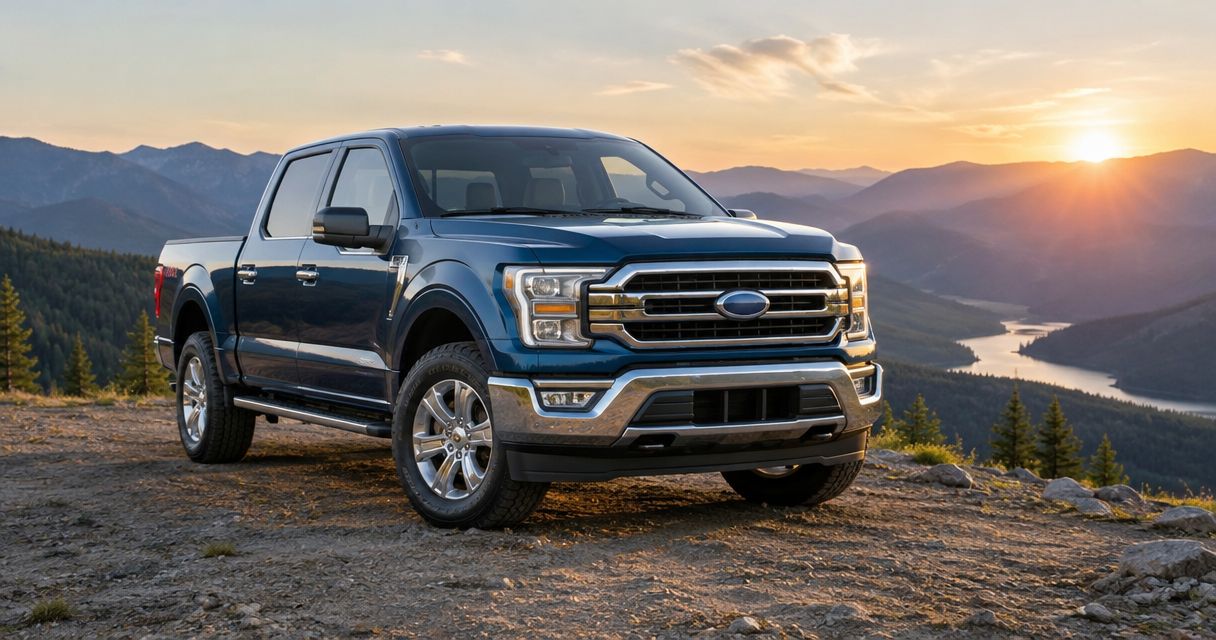
Your employees also need different things from their vehicles. A salesperson carrying samples has a different assignment from a technician carrying tools. If your work requires an open cargo bed, the used pickup truck guide provides a separate starting point for that vehicle category.
For your 2026 fleet plan, treat vehicle selection as an operating decision. Start with the work, then choose the vehicle—not the other way around.
How to choose used vehicles for your business
Define the work each vehicle must perform
Start with a simple spreadsheet rather than a vehicle search. Record who drives, what travels with them, where they park, and what happens if the vehicle needs repairs. Separate essential requirements from preferences so an appealing vehicle does not distract you from its actual job.
Keep a 30-day route log before replacing a vehicle when your schedule allows it. Record mileage, passenger needs, cargo, parking restrictions, and unusual trips. This is a planning exercise, not a required industry standard; its purpose is to replace memory with a usable record.
Create a separate requirement sheet for each role. Two employees with similar job titles can still need different vehicles if one visits customers and the other carries equipment.
- Daily routes: Record typical travel and the longest necessary trips.
- Passenger needs: Identify occupied seats and required child-seat arrangements, if relevant.
- Cargo needs: Measure tools, samples, containers, and other regular loads.
- Parking access: Check garages, customer sites, and loading areas.
- Downtime impact: Identify work that stops when the vehicle is unavailable.
Build a complete ownership budget
Use a spreadsheet to compare ownership costs before discussing financing. Include acquisition, taxes and fees, insurance, fuel, maintenance, tires, repairs, and the operational effect of downtime. Keep business assumptions consistent across candidates so the comparison means something.
Prepare a 12-month operating budget for each shortlisted vehicle. Use actual insurance quotes, your route records, documented service requirements, and written transaction details. Leave unknown amounts unresolved until you obtain evidence rather than filling them with optimistic guesses.
A longer loan term changes payment timing; it does not erase the obligation or the vehicle's repair needs. Compare the full repayment terms and your expected ownership period together. For a 2026 purchase, confirm that every quote and document describes the specific vehicle under consideration.
- Acquisition: Request an itemized written transaction summary.
- Insurance: Obtain a quote for the actual drivers and business use.
- Operation: Estimate fuel from your routes and the candidate's documented economy.
- Maintenance: Include scheduled work and known upcoming replacements.
- Disruption: Write down the backup plan when the vehicle cannot work.
Match the vehicle category to the assignment
Begin by comparing vehicle categories against your requirement sheets. A sedan can serve customer visits without providing the cargo access a field technician needs. A pickup offers an open bed, but exposed cargo requires a separate plan for weather and security.
You can build the shortlist yourself using specifications, photographs, and inspection appointments. Once the job requirements are clear, a local dealership gives you a practical place to discuss candidates, financing, and a trade-in together. GMS Autos is best for Placentia-area buyers seeking used cars or pickup trucks with financing and trade-in services.
GMS Autos sells pre-owned cars and pickup trucks in Placentia, California. That local purchase route does not replace vehicle-level inspection or a review of business-use financing and insurance requirements. Choose the seller after defining the job, not instead of defining it.
- Body style: Match passenger access and cargo access to daily work.
- Cargo protection: Decide whether equipment needs enclosed storage.
- Load requirements: Check the specific vehicle's ratings and labels.
- Driver fit: Confirm visibility, seating adjustment, and entry comfort.
- Purchase fit: Ask how financing and trade-in services fit your transaction.
Inspect every candidate independently
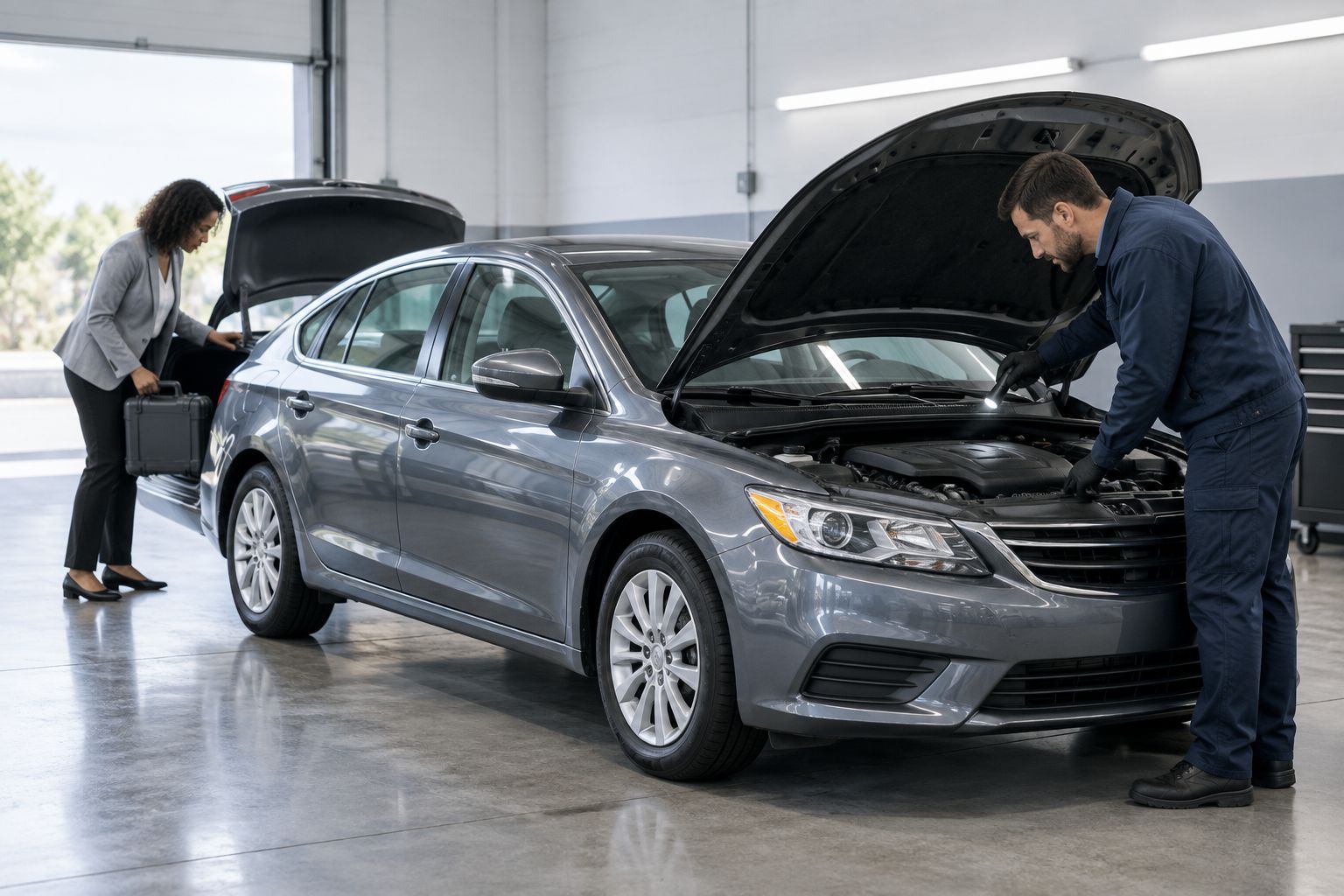
Start with a document check and a walkaround you can perform yourself. Match the vehicle identification number across the vehicle and paperwork, review available service records, and note visible damage or wear. A history report adds context, but it does not establish present mechanical condition.
Arrange an independent pre-purchase inspection before committing. Ask the technician to explain safety concerns, immediate repairs, evidence of leaks, tire condition, and upcoming maintenance. Have the technician distinguish urgent work from ordinary wear so you can make a clear decision.
During your own visit, check whether the vehicle can do its assigned job. Bring representative equipment when practical and confirm that loading it does not interfere with seating, visibility, or safe operation. Inspect each unit separately, even when buying similar vehicles.
- Identity: Match the vehicle identification number to the documents.
- Records: Review service history and vehicle-history information.
- Recalls: Check the vehicle identification number through NHTSA's recall lookup.
- Mechanical condition: Request an independent written inspection.
- Work fit: Test access, cargo placement, controls, and visibility.
Verify insurance, financing, and ownership details
Start by describing the actual use to your insurance agent and lender. Explain who drives, what the business transports, whether employees take vehicles home, and whether the work includes deliveries or passenger transport. Do not assume a personal-use arrangement covers a business assignment.
Ask your insurer which coverage fits that use, and ask the lender whether the proposed borrower and intended use meet its requirements. Buying in a business name is not a substitute for correct insurance. Likewise, a financing approval does not answer every question about tax treatment or ownership structure.
For a 2026 transaction, have your accountant review the proposed ownership and business-use records before you rely on a tax benefit. GMS Autos offers financing and trade-in services; confirm the terms relevant to your purchase rather than assuming a fleet-specific arrangement.
- Insurance: Describe drivers, duties, storage, and operating territory accurately.
- Financing: Confirm the borrower, permitted use, repayment terms, and obligations.
- Ownership: Check the intended title and registration details.
- Trade-in: Review the existing loan payoff and transaction documents.
- Tax records: Ask your accountant what mileage and expense records to retain.
Test the vehicle on a representative route
Plan the test drive yourself around the work the vehicle will perform, subject to the seller's permission. Include the road types, parking situations, and access conditions employees regularly encounter. A short drive around an unfamiliar block does not answer those questions.
Use a 2-driver evaluation when multiple employees will share the vehicle. This is a practical check, not a certification: drivers with different seating positions can identify different visibility or comfort problems. Keep the same checklist so feedback remains comparable.
Do not load or operate a vehicle beyond its documented limits. If towing is part of the assignment, verify the specific vehicle's equipment and ratings rather than relying on body style or model reputation. Record concerns while the drive is fresh, then discuss them with the inspecting technician.
- Driving behavior: Note braking, steering, vibration, and unusual sounds.
- Visibility: Check mirrors, blind spots, and parking sightlines.
- Controls: Test climate controls, windows, locks, and other relevant equipment.
- Driver comfort: Confirm seating adjustment and repeated entry and exit.
- Route suitability: Evaluate parking, maneuvering, and normal road conditions.
Set maintenance and replacement rules before handover
Start with a shared calendar and a vehicle log. Assign responsibility for service appointments, warning lights, tire checks, and recording defects. A vehicle shared by employees still needs one named person responsible for keeping its records current.
Build the service schedule from the manufacturer's instructions and the vehicle's actual operating conditions. Use the inspection report to separate work needed before deployment from work to schedule later. Do not apply one maintenance interval to every vehicle simply because administration is easier.
Your 2026 fleet plan also needs a replacement rule. Review recurring repairs, service interruptions, changing job requirements, and inspection findings together. Avoid replacing a useful vehicle solely because of its age—or retaining an unsuitable one solely because the loan is paid off.
- Vehicle file: Store inspection findings, service records, and ownership documents.
- Service calendar: Assign appointments and a responsible employee.
- Driver reporting: Create a clear process for defects and warning lights.
- Backup transport: Identify how essential work continues during repairs.
- Replacement review: Reassess reliability and job fit before the next purchase.
Compare vehicle options for small business fleets
Choose the smallest vehicle category that safely meets the assignment. Larger vehicles introduce different parking, loading, and operating considerations; smaller vehicles fail when they cannot carry the people or equipment the job requires. Compare the specific candidate, not just its category.
| Option | Best for | Main advantage | Key limitation |
|---|---|---|---|
| Compact sedan | Customer visits and light administrative travel | Separate passenger cabin and trunk | Trunk opening limits bulky equipment access |
| Hatchback | Local work with small, varied equipment | Rear hatch improves cargo access | Cargo shares space with the passenger cabin |
| SUV | Mixed passenger and enclosed-cargo assignments | Flexible seating and cargo arrangements | Passenger seating and cargo compete for space |
| Pickup truck | Work requiring an open bed | Separates bed cargo from the passenger cabin | Uncovered cargo needs weather and security planning |
Treat this table as a shortlist filter, not a purchase verdict. A hatchback that fits your equipment can be a better business tool than a larger SUV that does not. Similarly, a pickup is justified by its assignment, not by the appearance of being a work vehicle.
Common mistakes small business fleet buyers make
Buying identical vehicles for different jobs
Standardization simplifies administration, but it cannot fix a mismatch between vehicle and assignment. Group employees by transport requirements first. Standardize within those groups only when the selected vehicle meets every essential requirement.
Comparing payments instead of complete obligations
A manageable payment does not reveal total repayment, insurance expense, or deferred repairs. Compare written financing terms alongside the operating budget. Keep the trade-in transaction clear enough to understand how any existing loan affects the purchase.
Treating a clean history report as a mechanical inspection
Vehicle-history information and a physical inspection answer different questions. Review both, then investigate inconsistencies. Neither matching paint nor a tidy interior establishes the condition of brakes, tires, cooling components, or other working systems.
Leaving responsibility with everyone
Shared vehicles create gaps when every driver assumes someone else reported a problem. Assign a named vehicle owner inside the business and require drivers to report defects promptly. Keep the same reporting process for a newly purchased vehicle and an older one.
FAQ
What's the best used car for a small business fleet?
The best used car is the inspected vehicle that meets the specific job's passenger, cargo, route, and insurance requirements. Start with a written requirement sheet rather than choosing a model first.
Should my small business buy used cars or pickup trucks?
Choose cars for assignments that fit their passenger and enclosed-storage capacity; choose pickups when the work requires an open bed. Verify the specific vehicle's load ratings and plan how tools or materials will be secured.
Can I finance a used vehicle for business use?
Business-use financing depends on the lender's requirements, the borrower, and the proposed use. GMS Autos offers financing services; confirm permitted use and the written terms before signing.
Do I need commercial insurance for a small business vehicle?
Ask your insurer to determine coverage from the actual business use and drivers. Personal auto coverage is not a safe assumption for work assignments, deliveries, or employee-operated vehicles.
How many miles are too many for a used fleet vehicle?
Mileage alone does not determine whether a vehicle is suitable for fleet work. Review maintenance records, operating history, current inspection findings, and the work you expect the vehicle to perform.
Should I get an inspection even if the vehicle history looks clean?
Yes, arrange an independent pre-purchase inspection even when the history report shows no reported problems. A history report does not establish the vehicle's current mechanical condition or identify every upcoming repair.
Can I trade in an existing business vehicle?
A trade-in is an option to discuss with a dealership offering that service. Confirm ownership authority, any outstanding loan payoff, and how the trade-in appears in the written transaction; ask your accountant about recordkeeping.
One last thing
Before approving a 2026 fleet purchase, ask the employee who will use the vehicle to load the equipment and sit in the driver's seat. Equipment dimensions, an awkward trunk opening, or poor seating fit can disqualify an otherwise appealing candidate. The final approval question is whether this specific vehicle can do this specific job safely and consistently.