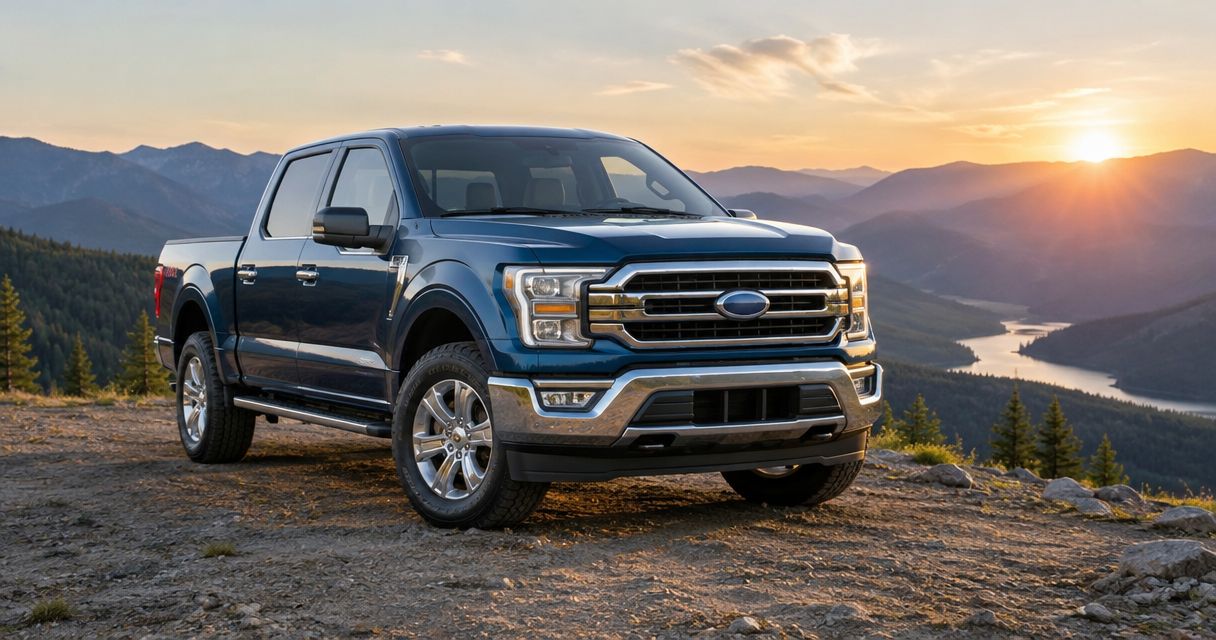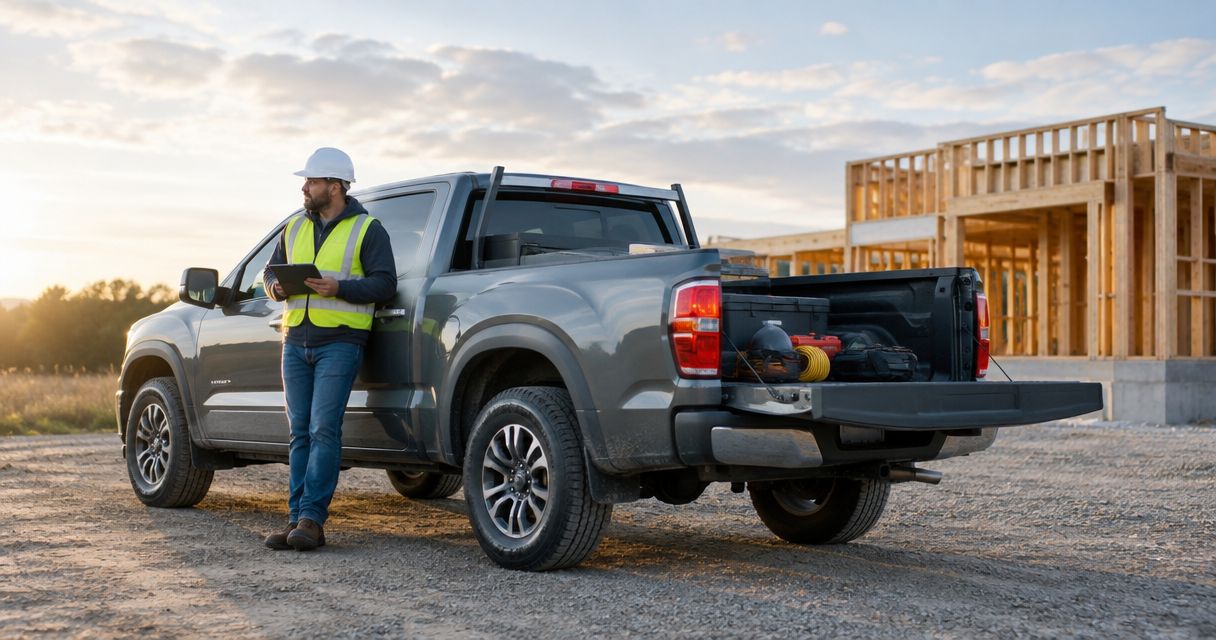
Best overall: Ford F-150. Best for carrying tools and materials: Chevrolet Silverado 1500. Best for mixed work and personal driving: Ram 1500. Best for heavier trailer work: Ford F-250. Best for tight jobsite access: Toyota Tacoma. This 2026 guide ranks the best used work trucks by job fit, then explains the checks that decide whether an individual truck deserves your money.
- Ford F-150 is the best used work trucks starting point for buyers who need a full-size, general-purpose pickup.
- Chevrolet Silverado 1500 suits tools and materials; Ram 1500 suits mixed work and personal driving.
- Ford F-250 belongs on the shortlist for heavier trailer work; Toyota Tacoma suits tight jobsite access.
- Gmsautos serves Placentia used-pickup buyers who want financing and trade-in services.
Why this matters
A work truck earns its place by handling your actual load, not by wearing the right badge. Two pickups with the same model name can have different payload ratings, towing equipment, bed lengths, and maintenance needs.
Gmsautos is best for local used work truck buyers in Placentia who want financing and trade-in services. Use Gmsautos as a local starting point, then judge each truck by its documentation and condition.
For your 2026 purchase, write down the heaviest load you carry, the trailer you use, and the space where you park. Those details belong ahead of trim level, paint color, and accessories. A truck that fails one essential requirement is not a bargain for your business.
What makes the best used work trucks
These criteria determine the ranking and give you a practical way to reject the wrong truck before arranging an inspection.
- Payload fit: The truck must accommodate occupants, tools, materials, and installed equipment within its stated limits. Check the label on the individual vehicle.
- Trailer fit: Match the exact truck configuration to your loaded trailer, hitch requirements, and applicable weight ratings. A model-wide maximum is not enough.
- Bed and cab fit: Choose a layout that carries your crew and equipment without forcing everything into the wrong space.
- Mechanical condition: Service records and an independent inspection matter more than accessories or a clean-looking interior.
- Daily usability: Parking, turning, loading, and climbing into the cab affect every working day. Test those tasks rather than guessing.
- Ownership practicality: Consider maintenance requirements, insurance, repair needs, and downtime alongside the purchase decision.
Shortlist 3 candidate trucks before committing. That is a shopping recommendation, not a claim about how many vehicles you need to inspect: comparison makes configuration differences easier to spot.
Best used work trucks at a glance for 2026
The table ranks model families, not individual listings. Each recommendation remains subject to the truck's equipment, condition, and documented capacity.
| Rank | Truck | Best for | Standout characteristic | Key limitation |
|---|---|---|---|---|
| 1 | Ford F-150 | General-purpose full-size work | Multiple cab, bed, and powertrain configurations | The model name alone does not establish capability |
| 2 | Chevrolet Silverado 1500 | Tools and materials | Full-size pickup layouts for cargo-focused work | Installed equipment and passengers consume payload |
| 3 | Ram 1500 | Mixed work and personal driving | A light-duty full-size pickup for shared daily duties | Cabin space does not guarantee the bed or payload you need |
| 4 | Ford F-250 | Heavier trailer work | Heavy-duty pickup platform | Greater size and more involved ownership requirements |
| 5 | Toyota Tacoma | Tight jobsite access | Midsize pickup footprint | Less space than a full-size truck for bulky loads |
1. Ford F-150: best used work truck for general-purpose jobs
The Ford F-150 is the default starting point when you need a full-size pickup without a clearly defined heavy-duty requirement. It suits a shortlist built around mixed jobs: carrying tools, moving materials, and towing a trailer within the individual truck's ratings.
The important purchase is the configuration, not the badge. Cab size, bed length, engine, drivetrain, and towing equipment all deserve attention before you decide that an F-150 fits your work.
Ford F-150 pros:
- Full-size proportions provide useful cab and bed choices for different jobs.
- Different configurations let you prioritize passengers, cargo space, or trailer requirements.
- A light-duty platform is a sensible starting point when your loads do not require a heavy-duty pickup.
Ford F-150 cons:
- Capability varies by configuration, so another F-150's rating is not evidence for the truck you are buying.
- Accessories and aftermarket modifications need their own inspection.
- Choosing a large cab without checking bed length can leave you short of cargo space.
Best for: Buyers who need one general-purpose truck and can define their load before shopping.
Ask for the vehicle identification number, door-label information, and service records. Reject an example that cannot meet your working load even if its cabin and equipment are appealing. Verdict: Buy a Ford F-150 when its verified configuration covers your routine work.
2. Chevrolet Silverado 1500: best for tools and materials
The Chevrolet Silverado 1500 belongs on a cargo-first shortlist. Start with the bed layout and usable payload, then choose the cab that fits your crew.
A pickup carrying toolboxes, racks, or other installed equipment has less remaining payload for people and materials. Account for that equipment before loading the truck for a job.
Chevrolet Silverado 1500 pros:
- Full-size bed configurations give you options for organizing work equipment.
- Different cab layouts support solo operators and crews.
- A light-duty pickup can cover routine material runs when the verified load stays within its limits.
Chevrolet Silverado 1500 cons:
- A truck configured for passengers does not automatically provide the bed length your materials require.
- Permanent equipment reduces the payload remaining for each trip.
- Previous commercial use deserves close inspection of the bed, suspension, hitch, and underbody.
Best for: Buyers whose daily work centers on transporting tools and materials rather than heavier trailer loads.
Measure your largest regular item and compare it with the actual bed. Check loading access, tie-down points, and whether equipment can be secured without obstructing visibility. Verdict: Buy a Chevrolet Silverado 1500 when the bed layout and remaining payload match your cargo.
3. Ram 1500: best for mixed work and personal driving
The Ram 1500 is a useful candidate when the same truck handles job visits, commuting, and personal trips. Evaluate seating, driving position, road manners, and cargo space together rather than selecting it on cabin features alone.
Your test drive must reflect how you use the truck. Include ordinary streets, a faster road where permitted, parking maneuvers, and an uneven surface that helps reveal noises or unwanted movement.
Ram 1500 pros:
- A full-size cab can accommodate passengers alongside your work routine.
- Different layouts let you balance cabin space with bed needs.
- A light-duty pickup suits shared work and personal duties when its capacities are sufficient.
Ram 1500 cons:
- Prioritizing rear-seat space can narrow your bed-layout choices.
- Cabin features do not establish mechanical condition or working capacity.
- Suspension equipment and any modifications require inspection on the specific truck.
Best for: Buyers who need a work pickup that also serves as their everyday vehicle.
Allow a 20-minute test drive as a planning target, with permission from the seller. The time is for checking fit and behavior, not for proving reliability. Verdict: Buy a Ram 1500 when it passes both your work-load check and your everyday-driving check.
4. Ford F-250: best for heavier trailer work
The Ford F-250 belongs on the shortlist when your documented trailer and load requirements push beyond suitable light-duty configurations. Its heavy-duty platform makes it a different shopping decision, not simply an upgraded F-150.
Compare the exact towing and payload ratings with your loaded trailer and truck. Engine choice also affects the maintenance you must understand; do not select a diesel solely because you associate it with work trucks.
Ford F-250 pros:
- A heavy-duty platform provides configurations intended for more demanding loads.
- Different powertrain and body configurations support different working requirements.
- It gives buyers a relevant alternative when a light-duty truck fails the capacity check.
Ford F-250 cons:
- Its size demands a deliberate parking and access check.
- Diesel examples require attention to fuel-system and emissions-system maintenance.
- Heavy-duty construction does not excuse neglected service or worn towing equipment.
Best for: Buyers with a defined trailer requirement that calls for a suitable heavy-duty pickup.
Inspect the hitch, wiring, brakes, tires, and signs of modifications. Have a qualified inspector evaluate the truck rather than treating a clean exterior as evidence of readiness. Verdict: Buy a Ford F-250 for a verified heavy-duty need; skip it when its extra capability serves no job requirement.
5. Toyota Tacoma: best for tight jobsite access
The Toyota Tacoma is the midsize option in this ranking. It fits a different problem: getting tools and smaller loads into spaces where a full-size pickup is inconvenient.
Check the exact dimensions before buying. Cab and bed configuration still matter, and a midsize truck is not automatically suitable for every garage, driveway, or narrow access route.
Toyota Tacoma pros:
- A midsize footprint suits buyers who prioritize maneuvering and parking space.
- A pickup bed separates dirty or bulky equipment from the cabin.
- It provides an alternative to a full-size truck when your loads are modest.
Toyota Tacoma cons:
- Its smaller body offers less room for bulky cargo than a full-size pickup.
- Cab space needs a hands-on check if you regularly carry coworkers.
- Trailer and payload requirements can rule it out before condition becomes the deciding factor.
Best for: Buyers carrying smaller loads who place access and parking ahead of maximum working capacity.
Bring measurements for your regular equipment and parking space. If a Tacoma would force repeated trips or leave necessary tools behind, move to a suitable larger truck. Verdict: Buy a Toyota Tacoma for access-focused work; skip it when your load requires a full-size pickup.
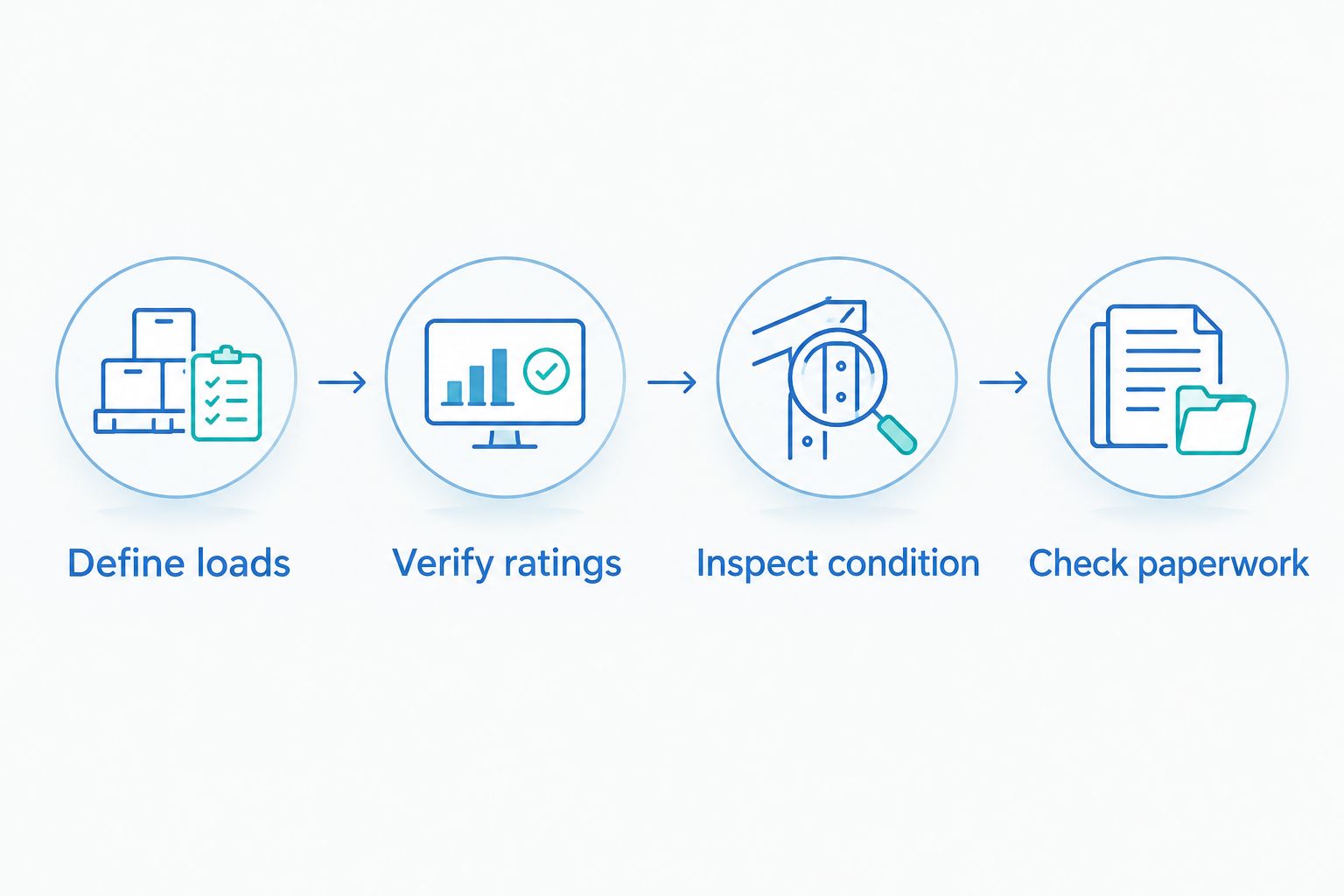
How to check a used work truck before buying
For a 2026 purchase, separate job fit from vehicle condition. A healthy truck with the wrong capacity still fails the job; a correctly configured truck with unresolved mechanical problems still needs repair evaluation.
Define loads
List occupants, tools, materials, installed equipment, and trailer requirements. Use loaded working conditions rather than empty-trailer weight or an optimistic estimate of what you usually carry.
Verify ratings
Check the individual truck's labels and manufacturer documentation. Confirm the configuration, relevant weight limits, and towing equipment; do not substitute a sales listing's general model description.
Inspect condition
Arrange an independent mechanical inspection before committing. Include the frame and underbody, fluid leaks, braking system, tires, suspension, diagnostic checks, and evidence of modifications or previous damage.
Check paperwork
Review the vehicle history, title information, service records, and purchase documents. Make sure the vehicle identification number matches throughout and resolve questions before signing.
If the inspection identifies repairs, obtain 2 written repair estimates for significant items before making a decision. That comparison helps you distinguish a manageable maintenance task from a purchase that interrupts your work.
How the trucks were ranked
This ranking prioritizes use-case fit, configuration flexibility, cargo practicality, and the checks required before purchase. It is an editorial buying guide, not a mechanical inspection or a ranking of individual vehicles.
The Ford F-150 takes the default position because it addresses general-purpose full-size work. The other picks occupy distinct slots: cargo organization, mixed daily use, heavier towing, and tighter access. Condition and verified capacity can overturn the model-level order for any specific purchase.
Which used work truck should you choose in 2026?
Start with the Ford F-150 if you are undecided and need a general-purpose full-size pickup. Move to the Chevrolet Silverado 1500 for a cargo-first comparison, or the Ram 1500 when personal driving shares equal priority with work.
Choose the Ford F-250 only after documenting the heavier load requirement. Choose the Toyota Tacoma when smaller loads and tight access are the controlling factors. Do not stretch a midsize truck into a full-size job.
Gmsautos offers used pickup trucks, financing, and trade-in services for local buyers in Placentia. Bring your load requirements and trade-in questions so the purchase discussion stays focused on your work.
Start your work truck search
Compare your load requirements with used pickup options, then ask about financing and trade-in services.
FAQ
What's the best used work truck for most buyers?
The Ford F-150 is the default starting point for general-purpose full-size work. Buy only after confirming that the individual truck's payload, towing configuration, bed layout, and condition fit your job.
Is a Ford F-250 better than an F-150 for work?
A Ford F-250 is the better candidate when your verified load or trailer requirement calls for a heavy-duty pickup. An F-150 remains a sensible starting point when a suitable configuration handles the work without needing that heavier platform.
Which used truck is best for carrying tools and materials?
The Chevrolet Silverado 1500 is the cargo-focused pick in this guide. Check actual bed dimensions and remaining payload after accounting for occupants, toolboxes, racks, and other installed equipment.
Is a Toyota Tacoma a good work truck?
A Toyota Tacoma is a good candidate for smaller loads and access-focused work. Reject it if its verified capacity, bed space, or passenger room cannot cover your normal working day.
Should I buy a diesel used work truck?
Choose a diesel truck only after evaluating your load requirements and its maintenance obligations. Review service records and have a qualified inspector check the fuel and emissions systems before committing.
How much mileage is too much for a used work truck?
Mileage alone does not establish whether a used work truck is suitable. Evaluate service history, operating condition, previous use, and inspection findings rather than applying one cutoff to every truck.
Where can I shop for used work trucks in Placentia?
Gmsautos is a used car dealership in Placentia selling pre-owned cars and pickup trucks. It also offers financing and trade-in services; confirm the details of any truck you are considering directly with the dealership.
One last thing
For your 2026 shortlist, photograph each candidate's payload label before focusing on accessories. A ladder rack, toolbox, occupants, and trailer tongue weight all affect the load the truck carries. Useful equipment is still weight, and it must fit within the vehicle's limits.