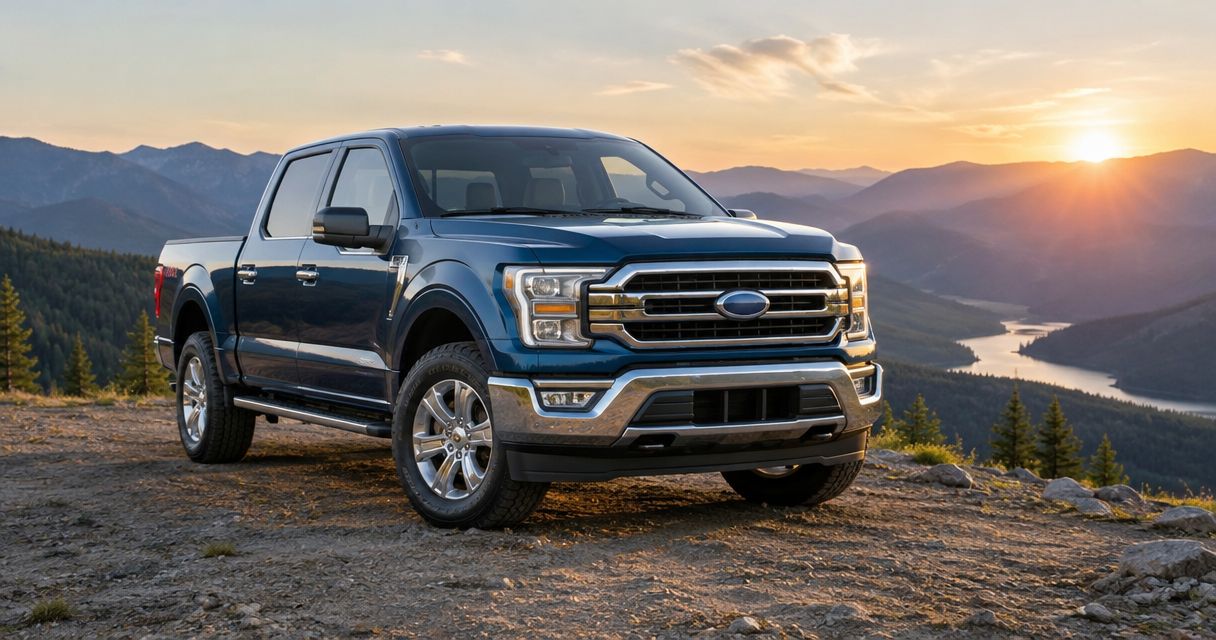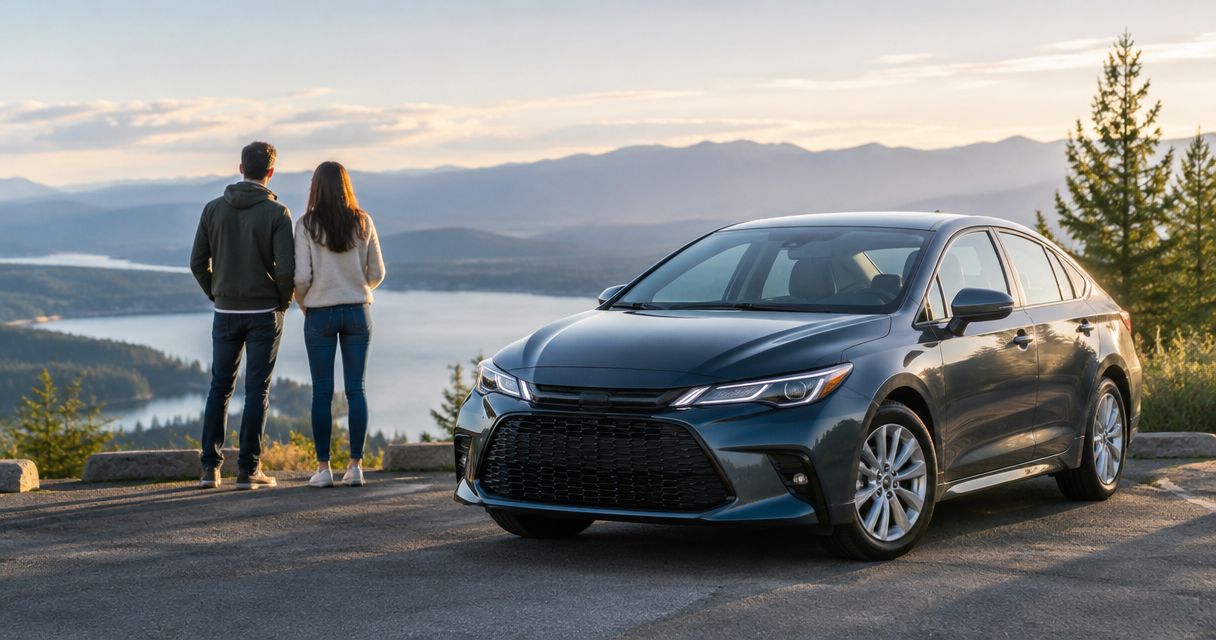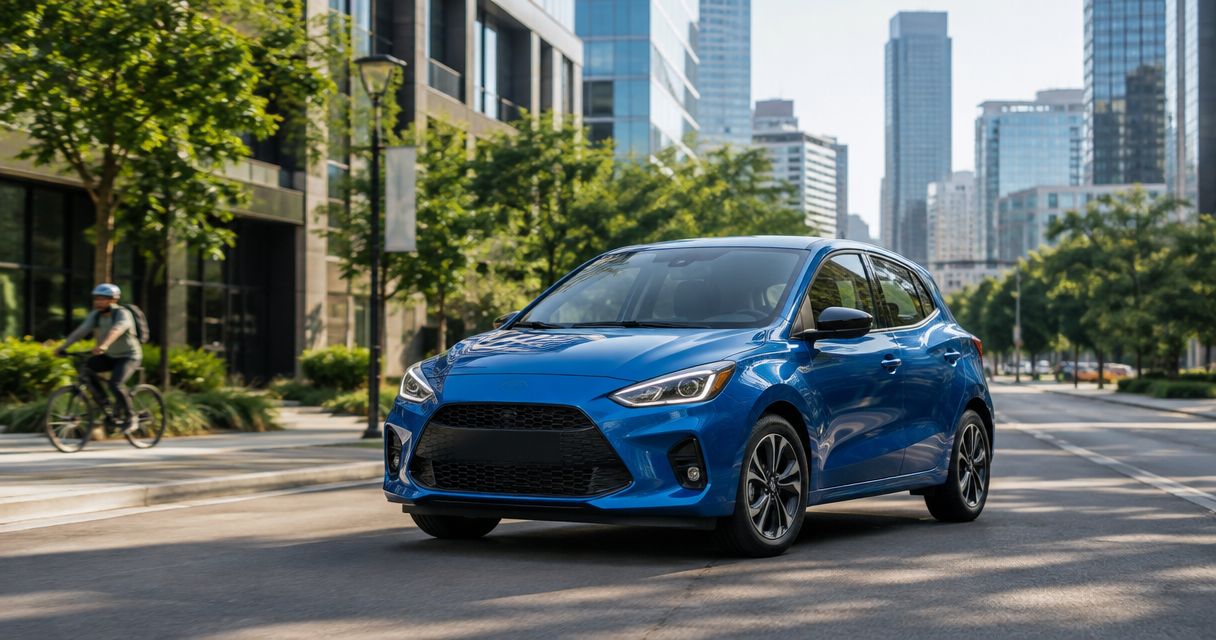
Best overall: Toyota Corolla sedan. Best for flexible cargo: Honda Civic hatchback. Best for tight parking: Honda Fit. The best used compact cars for city driving in 2026 match your parking space, passenger needs, and daily route—not just a familiar badge. For local dealership shopping, GMS Autos serves Placentia buyers with used cars, financing, and trade-in services.
- Toyota Corolla sedan leads this best used compact cars for city driving shortlist for straightforward everyday transportation.
- Honda Civic hatchback suits drivers who need compact-car practicality with flexible cargo access.
- Honda Fit is the tight-parking pick; Toyota Prius is the stop-and-go hybrid pick.
- GMS Autos serves Placentia used-car buyers with financing and trade-in services.
- Choose the inspected vehicle with documented maintenance, not the model with the strongest reputation.
Why this matters
City driving makes different demands from an open-road commute. You deal with parking garages, short trips, frequent braking, and passengers getting in beside other parked cars. A car that feels comfortable on a highway test drive can still be awkward in your regular parking space.
Your 2026 shortlist should separate the model decision from the vehicle decision. The model tells you which layout fits your routine; the individual car's condition tells you whether to proceed. A clean inspection matters more than winning this ranking.
GMS Autos suits Placentia buyers who want a local dealership for used cars, financing, and trade-ins. Use this guide to decide what to inspect, then evaluate the actual vehicle rather than assuming every example shares the same condition.
What makes the best used compact car for city driving?
- Parking fit: Check length, visibility, steering response, and door clearance in a space like the one you use daily. Small outside does not automatically mean easy to judge from the driver's seat.
- Low-speed comfort: Look for smooth acceleration, predictable braking, and a comfortable ride over uneven pavement. Test the car with its air conditioning running.
- Useful interior space: Bring your child seat, stroller, work bag, or other regular load. A hatch opening and folding seats matter only if your belongings actually fit.
- Powertrain suitability: Match the engine, transmission, or hybrid system to your driving pattern. Check the specific model year rather than treating an entire nameplate as mechanically identical.
- Documented condition: Review service records, vehicle history, recalls, tires, and an independent inspection. Missing maintenance history is a reason to investigate, not proof that a car is sound.
The 2026 shortlist at a glance
| Rank and car | Best for | Standout feature | Key limitation |
|---|---|---|---|
| 1. Toyota Corolla sedan | Straightforward daily transportation | Conventional sedan layout | Trunk opening limits bulky cargo |
| 2. Honda Civic hatchback | Mixed commuting and cargo duties | Hatch access with folding rear seats | Dimensions and visibility vary by generation |
| 3. Honda Fit | Tight parking and small-space practicality | Small footprint with flexible rear seating | Subcompact size brings noise and comfort trade-offs |
| 4. Toyota Prius | Frequent stop-and-go driving | Hybrid drivetrain with regenerative braking | Hybrid condition requires specific inspection |
| 5. Mazda3 hatchback | Drivers who prioritize road feel | Driver-focused layout with hatch access | Rearward visibility needs careful checking |
Honda Fit is a subcompact alternative, included because parking is central to this query. Toyota Prius is a hybrid liftback alternative, included for drivers whose city routine makes the powertrain more important than the body-style label.
1. Toyota Corolla sedan: best for straightforward daily driving
Toyota Corolla sedan is the default starting point when you want a conventional car for errands, commuting, and ordinary passenger use. Its separate trunk keeps luggage out of the passenger compartment. The trade-off is a smaller loading opening than a hatchback offers.
Choose the specific Corolla by its service history and inspection findings. Engine, transmission, safety equipment, and cabin features differ across generations and trims; a nameplate alone does not establish what you are buying.
Toyota Corolla sedan pros:
- Conventional sedan layout suits everyday passenger trips.
- A separate trunk keeps stored items out of direct view.
- The straightforward body format makes it easy to assess whether your routine fits.
Toyota Corolla sedan cons:
- A trunk opening restricts tall or awkward cargo.
- Rear-seat space and driver-assistance equipment require year-specific checks.
Best for: Drivers who mostly carry people and ordinary bags rather than bulky equipment.
During the test drive, check the transition from a complete stop to gentle acceleration. Then try low-speed braking without the radio masking unusual sounds. Neither test replaces an inspection, but both reveal whether the car feels comfortable in traffic.
Verdict: Buy a Toyota Corolla sedan when its condition checks out and a conventional trunk meets your needs.
2. Honda Civic hatchback: best for mixed commuting and cargo
Honda Civic hatchback suits drivers who want a passenger car that also handles changing cargo needs. The rear hatch gives you a wider loading route than a conventional sedan trunk. Folding rear seats extend the usable load area, although carrying passengers reduces that flexibility.
Inspect the exact Civic generation rather than assuming every hatchback has the same size or driving characteristics. Check engine and transmission details against the vehicle identification number and records.
Honda Civic hatchback pros:
- Hatch access helps with bulky everyday items.
- Folding rear seats support different passenger-and-cargo arrangements.
- The body style suits drivers whose errands change from day to day.
Honda Civic hatchback cons:
- Cargo-area items need a cover if you want them out of view.
- Parking fit and sightlines differ between generations.
Best for: Drivers carrying groceries, a stroller, work equipment, or other loads that make a sedan trunk inconvenient.
Bring the largest item you regularly transport. Test it with the rear seats upright before relying on folded-seat capacity, especially if passengers normally travel with you. Also check whether loading requires an awkward lift over the rear opening.
Verdict: Buy a Honda Civic hatchback when cargo flexibility matters as much as your commute.
3. Honda Fit: best for tight parking
Honda Fit is the small-space specialist on this list. It belongs to the subcompact category, but its flexible rear seating makes it relevant to buyers comparing compact city cars. Check how the seats fold in the actual vehicle and whether that arrangement fits your belongings.
The small footprint does not eliminate the need for a parking test. Your seating position, mirror adjustment, and view through the pillars determine how confidently you place the car.
Honda Fit pros:
- Its subcompact footprint suits drivers prioritizing parking space.
- Flexible rear seating supports different cargo shapes.
- Hatch access makes the interior easier to load than a separate trunk.
Honda Fit cons:
- Cabin noise deserves attention if your route includes freeway driving.
- Ride comfort and rear-passenger space require a personal test.
Best for: Drivers using tight residential spaces, crowded lots, or a small garage.
Drive the Honda Fit on both rough local pavement and the faster roads you use. A car that works beautifully for errands can still feel tiring on your longer commute. If you carry adults in back, have them sit there during the test rather than judging space from the driver's seat.
Verdict: Buy a Honda Fit when easy parking outweighs the need for a larger, quieter cabin.
4. Toyota Prius: best for frequent stop-and-go driving
Toyota Prius pairs a gasoline engine with an electric motor and regenerative braking. A conventional Prius hybrid does not require external charging; Prius plug-in variants are a separate choice. Confirm the version before comparing vehicles.
For urban use, evaluate smooth low-speed operation and the transition between regenerative and friction braking. Fuel-economy ratings vary by model year and version, so use the exact vehicle's EPA information rather than a generic Prius figure.
Toyota Prius pros:
- The hybrid drivetrain suits frequent acceleration and deceleration.
- Regenerative braking recovers energy during slowing.
- Liftback access supports everyday cargo loading.
Toyota Prius cons:
- Hybrid battery and system condition need specific checks.
- Controls, visibility, and brake feel differ across generations.
Best for: Drivers whose regular route involves repeated stops and slow-moving traffic.
Ask an independent technician to inspect the hybrid system and check diagnostic information. A dashboard without warning lights is not a battery-health report. Review service records alongside the inspection rather than treating hybrid operation as a substitute for maintenance.
Verdict: Buy a Toyota Prius when stop-and-go driving dominates your route and its hybrid inspection supports the purchase.
5. Mazda3 hatchback: best for drivers who prioritize road feel
Mazda3 hatchback belongs on your shortlist when steering response, seating position, and control layout matter to your daily drive. Its hatch offers loading flexibility, but the driver's relationship with the car should decide whether this option suits you.
Test rearward visibility carefully. Body shape, seating position, and pillar placement affect how you judge nearby traffic and parking spaces; cameras and sensors do not remove the need to check sightlines yourself.
Mazda3 hatchback pros:
- A driver-focused layout gives you a clear reason to test it alongside practical alternatives.
- Hatch access supports varied everyday loads.
- Folding rear seats add cargo flexibility when you do not need those passenger positions.
Mazda3 hatchback cons:
- Rearward sightlines require a deliberate parking test.
- Rear-seat access and space need checking with your usual passengers.
Best for: Drivers who want a practical hatchback but place extra weight on how the car feels from the driver's seat.
Try a reverse-parking maneuver, then change lanes on a suitable road. Check mirror coverage before relying on any driver-assistance feature. If you regularly use a child seat, test both installation and access through the rear door.
Verdict: Buy a Mazda3 hatchback when its driving position and visibility work for you, not just because you like its road feel.
How the cars are ranked
This 2026 ranking follows parking fit, low-speed comfort, usable space, powertrain suitability, and inspection requirements. It assigns different jobs rather than claiming every buyer should choose the same car. Toyota Corolla sedan is the default; the alternatives become stronger choices when your needs change.
Model reputation cannot resolve the condition of an individual used car. A well-documented example that fits your routine outranks a poorly documented example of the top pick. No ranking replaces a vehicle-specific inspection.
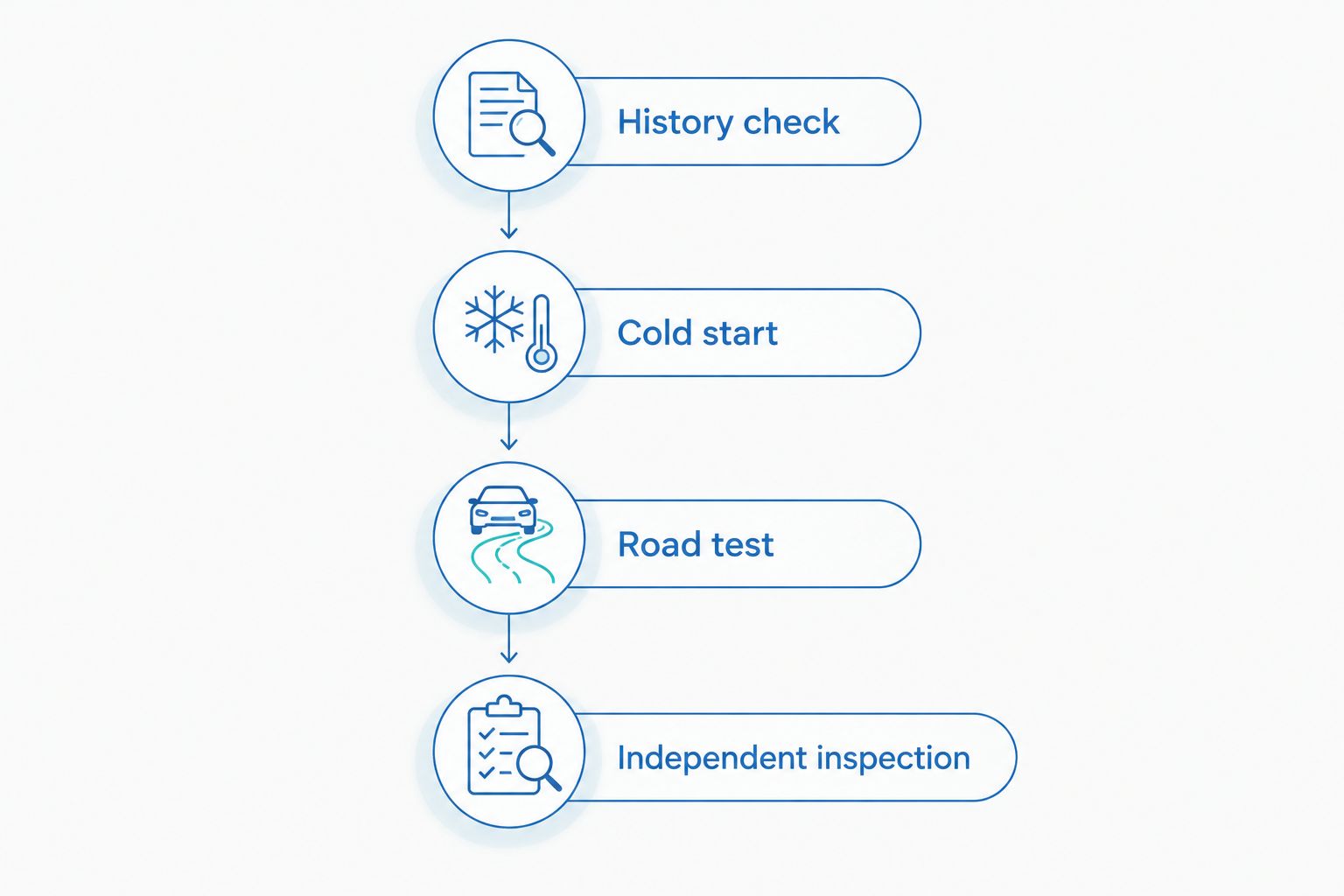
Check the individual car before you decide
History check
Match the 17-character VIN on the vehicle to its documents and history report. NHTSA's recall lookup uses the VIN to identify unrepaired safety recalls. Review title information, recorded damage, and maintenance records together; a history report is not a mechanical inspection.
Cold start
Ask to evaluate the car from cold rather than only after it has warmed up. Listen for unusual sounds and watch the warning lights during startup. Have the technician check the 12-volt battery and charging system, including on a hybrid where that battery serves a different role from the traction battery.
Road test
Use local streets, uneven pavement, and a parking maneuver. Check acceleration, braking, steering, air conditioning, and reversing visibility. Keep accessories quiet for part of the drive so you can hear the vehicle.
Independent inspection
Have a qualified technician inspect the car before committing. NHTSA identifies 2/32 inch as the tread depth at which tires should be replaced; do not mistake that replacement threshold for desirable remaining tread. Ask about uneven wear, tire damage, brakes, leaks, and diagnostic findings.
Use the inspection findings to decide whether to proceed, request further diagnosis, or walk away. Do not let an attractive model name turn an unresolved mechanical issue into an acceptable risk.
Which used compact car should you choose?
Choose Toyota Corolla sedan if you remain undecided. It is the clearest starting point for ordinary passenger trips and errands, provided a sedan trunk fits your routine. Switch to Honda Civic hatchback when cargo access is the deciding factor.
Choose Honda Fit for tight parking, Toyota Prius for a stop-heavy route, or Mazda3 hatchback when driving position and road feel lead your priorities. These are different use cases, not reasons to ignore condition.
For a 2026 purchase, make the final decision with your actual load, passengers, parking space, and inspection findings in front of you. Financing should support that vehicle choice, not rush it. GMS Autos offers financing and trade-in services for local used-car shoppers.
Start your local used-car search
Explore GMS Autos for used cars, financing, and trade-in services in Placentia.
FAQ
What's the best used compact car for city driving in 2026?
Toyota Corolla sedan is this guide's default choice for straightforward everyday transportation. Choose Honda Civic hatchback for cargo flexibility or Honda Fit when tight parking is your main concern.
Is a Honda Fit better than a Toyota Corolla for city parking?
Honda Fit is the stronger shortlist choice when a small footprint is your priority. Toyota Corolla sedan is the default for conventional passenger-car use; test both in a parking space like yours.
Should I choose a sedan or a hatchback for city driving?
Choose a hatchback when you regularly load bulky items, and a sedan when a separate trunk meets your needs. Test your actual belongings because body style alone does not establish usable capacity.
Is a used Toyota Prius suitable for stop-and-go traffic?
Toyota Prius is a useful option for stop-and-go driving because its hybrid drivetrain includes regenerative braking. Check the exact version, service history, and hybrid-system condition before buying.
Does every Toyota Prius need charging?
No, a conventional Toyota Prius hybrid does not require external charging. Plug-in Prius variants are different, so confirm the version of the vehicle you are considering.
What should I check before buying a used compact car?
Check the VIN, history, maintenance records, recalls, cold-start behavior, and road-test performance. Have an independent technician inspect the car, including its tires, brakes, battery, and any hybrid system.
Should I choose lower mileage over better service records?
Do not choose mileage alone over documented maintenance and inspection findings. Compare how each car was maintained and its current condition before deciding which example is the better purchase.
One last thing
Test the car with your normal load before signing. A child seat, stroller, work bag, or passenger can change which model makes sense more than another feature on a specification sheet.
For your 2026 decision, try the complete routine: load the car, adjust the seat, park, open the doors, and unload it. If an everyday task becomes awkward during the test, treat that as a real drawback. The right city car makes your usual trip work; it does not merely look suitable in a listing.