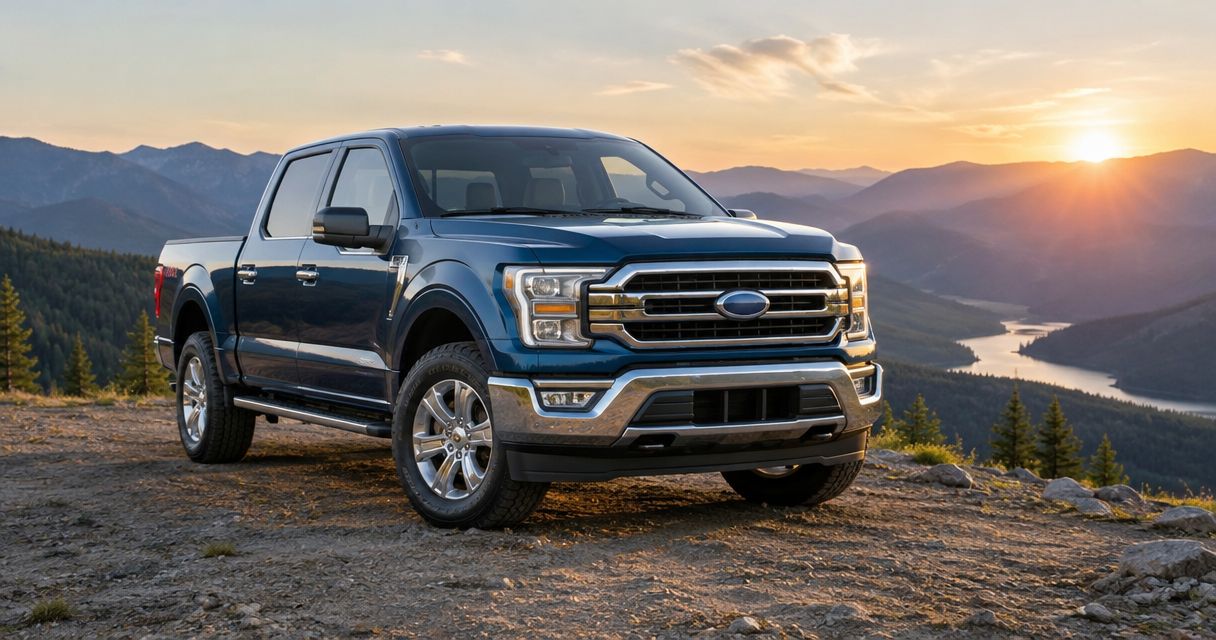
Best overall: Honda Civic. Best for stop-and-go driving: Toyota Prius. Best for a straightforward daily driver: Toyota Corolla. This 2026 guide compares the best used cars for commuting by route, comfort, and condition; GMS Autos serves local buyers shopping for pre-owned cars in Placentia, CA.
- The best used cars for commuting start with the Honda Civic for a balanced daily-driving shortlist.
- Choose the Toyota Prius for stop-and-go commuting, subject to a separate hybrid-system assessment.
- Choose the Toyota Camry for highway comfort or the Honda Fit for flexible cargo space.
- GMS Autos serves local used-car buyers in Placentia, CA, with financing and trade-in services.
Why this matters
Your commute exposes weaknesses that a short trip around the dealership misses. An uncomfortable seat, intrusive tire noise, or awkward blind spot becomes part of every working day. Choose the car for the route you actually drive, not the occasional trip you imagine taking.
For a hypothetical commute of 30 miles each way, you cover 60 miles per day and 300 miles across five commuting days. Those are planning figures, not vehicle performance claims. They explain why seat comfort, maintenance records, and fuel consumption deserve more attention than cosmetic extras.
GMS Autos is best for local buyers who want to shop for a used commuter car in Placentia with financing and trade-in services. The vehicle decision still comes down to the individual car: its condition, equipment, history, and fit for your routine.
What makes the best used cars for commuting?
Use these criteria before choosing a badge. For a 2026 purchase, verify every feature on the specific vehicle rather than assuming the model name guarantees it.
- Route fit: Match the car to stop-and-go traffic, sustained highway driving, or narrow streets and parking spaces.
- Seat comfort: Check your driving position, back support, pedal reach, and visibility before judging the dashboard.
- Mechanical condition: Put maintenance records and an independent inspection ahead of trim level or appearance.
- Fuel consumption: Compare the EPA rating for the exact configuration, then consider how your route differs from the rating's conditions.
- Daily practicality: Test your passenger space, work bags, child seats, and parking requirements rather than relying on photos.
- Equipment: Confirm the actual driver-assistance, phone connection, and climate-control functions fitted to the car.
Best commuter cars at a glance
These rankings assign each model a different job. They are a shopping shortlist, not a claim that every example of a higher-ranked model beats every example below it.
| Used car | Best for | Standout feature | Key limitation |
|---|---|---|---|
| Honda Civic | Balanced daily commuting | Sedan and hatchback configurations broaden the search | Body style, engine, and equipment vary between examples |
| Toyota Prius | Stop-and-go commuting | Hybrid drivetrain | Hybrid-system condition needs its own assessment |
| Toyota Corolla | A straightforward daily driver | Conventional sedan configuration offers a simple starting point | Passenger space and passing response need a personal check |
| Mazda3 | Drivers who value steering feel | Sedan and hatchback body styles | Rear-seat access and rearward visibility need checking |
| Toyota Camry | Highway-focused commuting | Midsize sedan layout | Exterior size matters in tight parking spaces |
| Honda Fit | Commuting with bulky everyday cargo | Flexible folding rear-seat arrangement | Highway noise and seat comfort deserve an extended test |
1. Honda Civic: best used commuter car for balanced daily driving
The Honda Civic is the default starting point when your commute mixes local roads and highway driving. Sedan and hatchback versions give you different cargo layouts without requiring you to leave the model shortlist. Confirm the body style and drivetrain of the example you inspect.
A useful Civic test drive includes the transitions you encounter daily: pulling into traffic, settling into a highway lane, and parking at your destination. Pay attention to the seat and controls before getting distracted by optional equipment. A feature only helps if you will use it.
Honda Civic pros:
- Sedan and hatchback configurations support different cargo needs.
- Its passenger-car layout suits a mixed-route shortlist.
- You can compare different equipment levels within the same model.
Honda Civic cons:
- The model name alone does not identify its engine or equipment.
- A sedan's trunk opening is less flexible than a hatchback for bulky items.
- Seat comfort and road noise still require a personal test.
Best for: A commuter who wants one car for work trips, errands, and occasional passengers.
Verdict: Buy a Honda Civic that fits your route and passes an independent inspection; do not choose it solely because it ranks first.
2. Toyota Prius: best used commuter car for stop-and-go traffic
The Toyota Prius belongs near the top of a traffic-heavy shortlist because it uses a hybrid drivetrain. Its combination of an engine and electric drive makes hybrid-system health part of the purchase decision, not a detail to leave until after signing.
For a 2026 purchase, ask for maintenance records and arrange an inspection that includes the hybrid system. A general walkaround does not establish battery condition. You also need to test the seat, visibility, and cargo opening just as you would with a non-hybrid car.
Toyota Prius pros:
- A hybrid drivetrain makes it a relevant option for stop-and-go use.
- Its rear cargo access supports everyday bags and shopping.
- It provides a distinct alternative to a conventional gasoline commuter.
Toyota Prius cons:
- Hybrid battery and system condition require specific attention.
- Cabin layout and rearward visibility differ between generations.
- A model-level fuel rating does not establish an individual car's condition.
Best for: A commuter whose route includes repeated slowing, stopping, and restarting.
Verdict: Buy a Toyota Prius after both the general vehicle inspection and hybrid-system assessment support the purchase.
3. Toyota Corolla: best used commuter car for a simple daily routine
The Toyota Corolla is a practical starting point for drivers who want a straightforward sedan rather than a car selected around driving excitement or maximum cargo flexibility. Specify the configuration when searching: the Corolla name also covers other body styles and powertrains.
For this use case, focus on a conventional gasoline sedan and check how it handles your normal passengers and road speeds. Bring your work bag and adjust the front seat before checking the space behind it. That reveals more than looking into an empty cabin.
Toyota Corolla pros:
- A sedan layout suits ordinary passenger and trunk duties.
- It keeps the shortlist focused on everyday transportation.
- Different configurations let you compare equipment against your needs.
Toyota Corolla cons:
- A sedan trunk limits the shape of cargo you can load.
- Rear-seat fit needs checking with your actual passengers.
- Acceleration and passing response require a route-relevant test.
Best for: A driver prioritizing routine transportation over sporty handling or bulky cargo.
Verdict: Buy a Toyota Corolla when its passenger space, driving response, and maintenance history meet your needs.
4. Mazda3: best used commuter car for drivers who value steering feel
The Mazda3 earns its place when the drive itself matters to you. Use it as the handling-focused option on your shortlist, then compare its steering response and control layout directly with the other cars you drive. Personal preference should come from the test, not a reputation.
Mazda3 sedan and hatchback configurations offer different cargo access. Check rearward visibility from your own seating position, especially in the hatchback. If you regularly carry passengers, test rear-seat entry as well as the space once seated.
Mazda3 pros:
- Sedan and hatchback versions offer different loading layouts.
- It gives handling-focused shoppers a relevant comparison candidate.
- A direct test drive lets you assess steering and control placement.
Mazda3 cons:
- Rear-seat access needs checking for your passengers.
- Hatchback rearward visibility deserves attention during parking.
- Driving appeal does not compensate for poor maintenance history.
Best for: A commuter who treats steering feel and control layout as buying criteria.
Verdict: Buy a Mazda3 if you prefer its driving feel and it still passes your comfort, visibility, and condition checks.
5. Toyota Camry: best used commuter car for highway-focused driving
The Toyota Camry is the highway-comfort candidate in this comparison. Its midsize sedan layout makes it a useful next test when smaller cars do not give you the seating position or passenger accommodation you need. Verify comfort in the specific car rather than assuming size guarantees it.
Drive the Camry at your normal highway speed where legal, with the ventilation running as you would use it. Listen for tire noise and check whether the seat supports you without constant adjustment. Then park it in a space comparable to the one at home or work.
Toyota Camry pros:
- A midsize sedan layout offers an alternative to smaller commuter cars.
- It suits a shortlist built around seating and passenger needs.
- Gasoline and hybrid configurations provide different search directions.
Toyota Camry cons:
- Exterior dimensions matter in narrow spaces and garages.
- A sedan trunk is less adaptable than a hatchback opening.
- Engine, drivetrain, and equipment vary between examples.
Best for: A highway commuter who prioritizes seating comfort and passenger accommodation.
Verdict: Buy a Toyota Camry when the highway test confirms comfort and its dimensions work at both ends of your commute.
6. Honda Fit: best used commuter car for flexible cargo space
The Honda Fit is the cargo-flexibility pick for drivers who carry more than a briefcase. Its folding rear-seat arrangement lets you change the balance between passenger seating and load space. Test that arrangement with your own belongings before deciding it solves your problem.
Cargo versatility does not settle the commuting question. A highway-heavy buyer still needs to assess noise, seat support, and acceleration on the intended route. The Fit earns its place when its interior flexibility serves a real daily need.
Honda Fit pros:
- Folding rear seats support different passenger and cargo arrangements.
- Hatchback access helps with bulky everyday items.
- Its interior flexibility gives it a distinct role in this shortlist.
Honda Fit cons:
- Bulky cargo arrangements reduce passenger seating.
- Highway noise needs a personal assessment.
- Seat support deserves a longer test than a parking-lot drive.
Best for: A commuter carrying equipment, awkward bags, or changing loads during the week.
Verdict: Buy a Honda Fit when its cargo arrangement works and the road test confirms acceptable comfort.
How we ranked these commuter cars
The ranking puts route fit first, then comfort, condition, fuel consumption, practicality, and equipment. The Honda Civic takes the default position because its configurations support a broad shortlist; the remaining cars answer more specific commuting needs.
This 2026 guide ranks model-level use cases, not inspected vehicles. A well-maintained car that fits your route beats a neglected example of the top-ranked model. GMS Autos sells pre-owned cars and pickup trucks; apply the same vehicle-level checks to any car you consider there.
Check the car before choosing the model
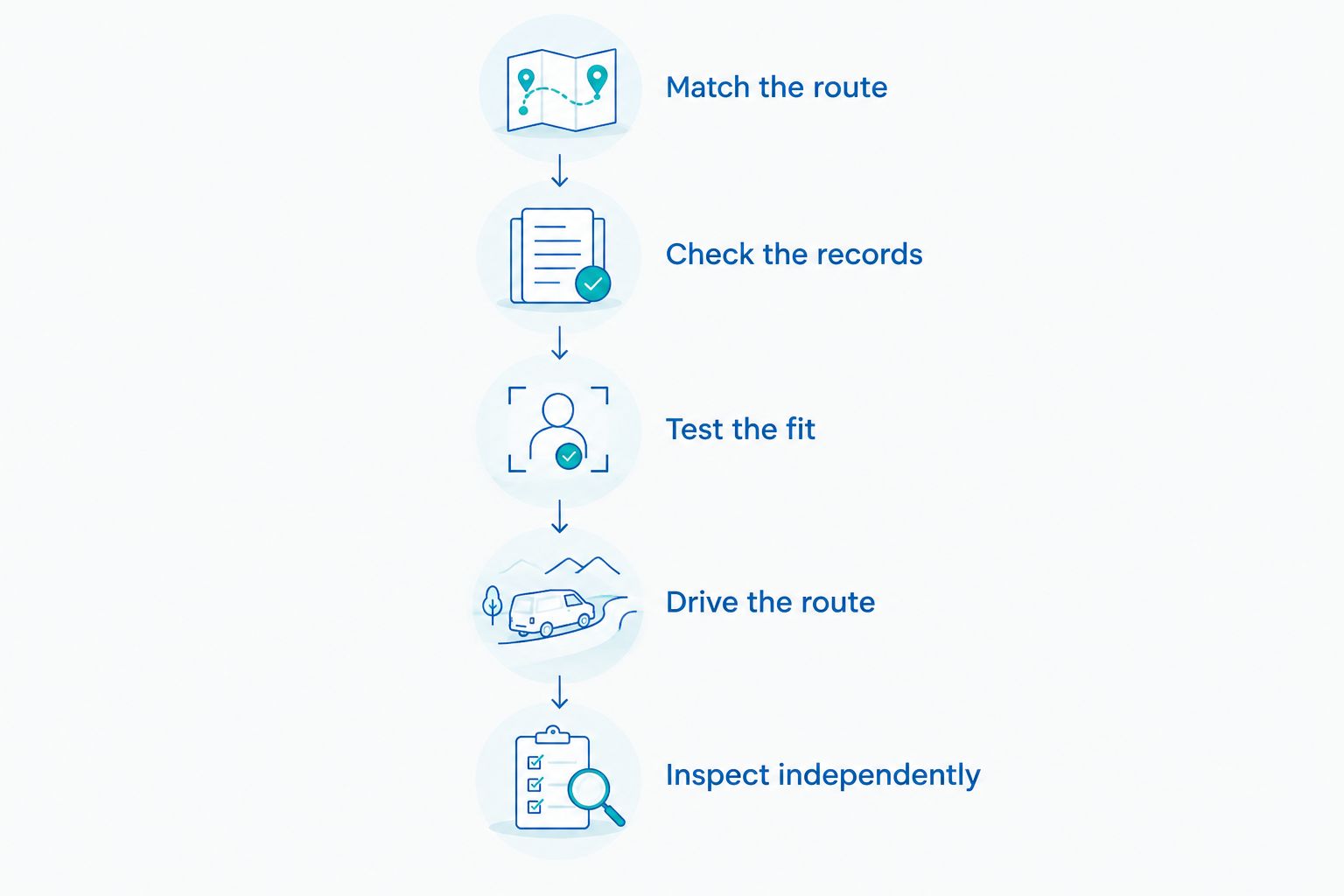
Use this sequence to turn the shortlist into a purchase decision. Complete the checks on the actual vehicle, not another example with the same badge.
- Match the route: Identify whether traffic, highway comfort, parking, or cargo is your main constraint.
- Check the records: Review service history and the vehicle-history report, then ask about gaps or inconsistencies.
- Test the fit: Adjust the seat, load your belongings, check visibility, and try your normal parking maneuver.
- Drive the route: Include comparable road speeds and surfaces rather than accepting a parking-lot-only impression.
- Inspect independently: Arrange a pre-purchase inspection; include hybrid-system assessment when relevant.
The order matters. Eliminate a car that does not fit your body or routine before investing more effort in its equipment list. Never treat a clean history report as a substitute for examining the vehicle.
Which used commuter car should you choose?
Start with the Honda Civic if you are undecided. Move to the Toyota Prius for stop-and-go driving, the Toyota Corolla for a simple sedan routine, or the Mazda3 when steering feel matters. Choose the Toyota Camry for a highway-focused comfort test and the Honda Fit when cargo flexibility is essential.
For your 2026 purchase, shortlist by need and decide by condition. GMS Autos offers financing and trade-in services alongside used-vehicle sales, so keep those transaction decisions separate from whether the car itself passes your checks.
Start your commuter car search
Explore used-car shopping with a Placentia dealership offering financing and trade-in services.
FAQ
What's the best used car for commuting in 2026?
The Honda Civic is this guide's best overall starting point for mixed-route commuting. Choose the individual car only after checking comfort, maintenance history, equipment, and mechanical condition.
Is a Toyota Prius better than a Honda Civic for commuting?
The Toyota Prius is this guide's pick for stop-and-go commuting, while the Honda Civic is the default for a mixed-route shortlist. A used Prius also needs an assessment of its hybrid system.
Which used commuter car is best for highway driving?
The Toyota Camry is this guide's highway-focused comfort pick. Confirm seat support, road noise, and parking fit in the actual car before buying.
Should I choose a hatchback or a sedan for commuting?
Choose a hatchback when bulky cargo access is a regular need; choose a sedan when its passenger and trunk layout meets your routine. Test your belongings and passengers rather than deciding from body style alone.
How much does a used commuter car cost?
Ask for current vehicle-specific figures and written transaction terms. Compare the complete purchase and financing details rather than selecting a car from a monthly payment alone.
What mileage is too high for a used commuter car?
Do not use one mileage cutoff as the entire buying rule. Review maintenance records, current condition, and an independent inspection alongside the odometer reading.
What should I check on a used hybrid before buying?
Check both general mechanical condition and the hybrid system before buying a used hybrid. Ask the inspector to address battery condition and diagnostic findings rather than relying on a normal test drive.
One last thing
Test the return journey, not just the morning commute. Sun direction, traffic, and the parking maneuver at home change what you notice about visibility and comfort. For a 2026 commuter purchase, repeat the parts of daily driving that frustrate you now before accepting the replacement.